Tehran's MoU Victory Lap Conceals What the Document Does Not Yet Say
Foreign Minister Araghchi is selling a signed memorandum as the end of the war. The text, the verification regime, and the counterparty signatures are all still missing.
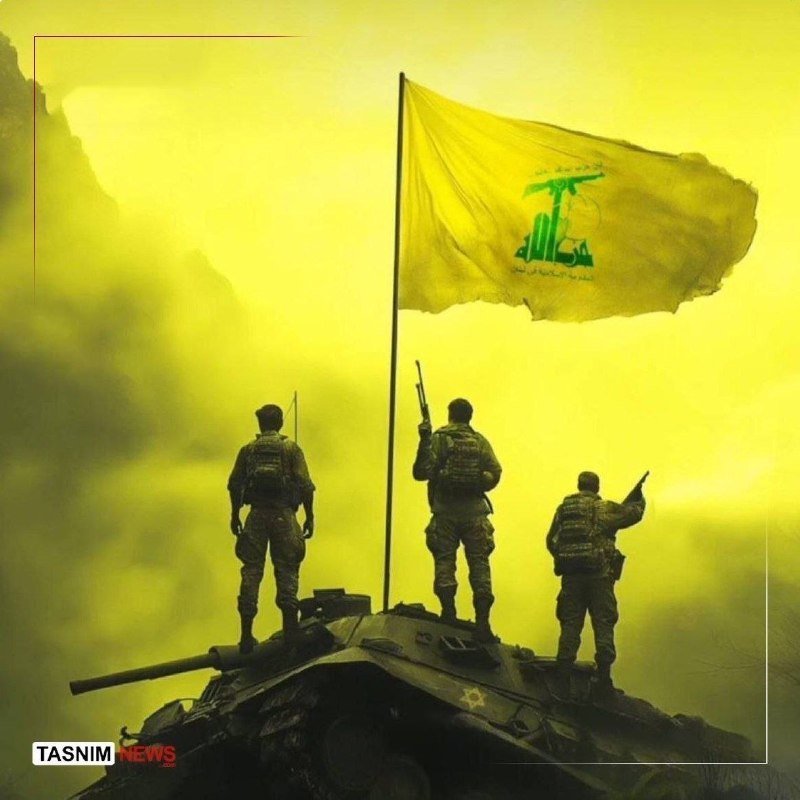
On the evening of 12 June 2026, Iran's Foreign Minister Abbas Araghchi took to Iranian state television to declare that a draft memorandum of understanding with the United States had been initialed, and that the document would formalise "the end of the war on all fronts, including Lebanon." The framing was unmistakable: diplomacy, he said, had done its duty of "stabilising field achievements," and Iran was "victorious in the field" because, in his telling, foreign officials had privately confessed they had "not known Iran like this."
Strip away the rhetoric and the picture narrows. A two-stage process has been announced — a memorandum of understanding now, formal negotiations later, with the nuclear file and sanctions lifting bundled into the second stage. Tehran is selling the document as a strategic win. Washington, so far, is not on the record confirming its own signature.
What Araghchi actually said
In a live address carried by Fars News and amplified by Iranian-aligned channels including Fotros Resistancee, the foreign minister laid out the architecture. Stage one is the MoU itself, a political declaration short of a binding treaty. Stage two is the start of substantive negotiations, where the nuclear question and sanctions relief would be addressed in detail. Araghchi said he would not publish the draft publicly until it was finalised, and that the enemy — his term for the United States — would pledge not to "initiate war and not use threats." A separate commitment, he claimed, would extend the war's end "to all fronts, including Lebanon," an explicit nod to Hezbollah's position inside any deal envelope.
The substantive content of stage two, on which the actual lifting of measures depends, was left for later. The foreign minister's central claim was procedural: that the memorandum exists, that it has been initialed, and that it carries commitments on regional de-escalation. The counter-signature, the verification regime, and the sequencing of sanctions relief are not in the public record.
Why the framing matters
In Iranian strategic grammar, "field achievements" is a term of art. It refers to the deterrent value of the Axis of Resistance — Hezbollah, the Iraqi Shia militias, the Houthi front, and the deeper missile and drone infrastructure now within Iran's reach. Araghchi's argument to his domestic audience is that the MoU does not surrender those assets. It monetises them, converting the cost of regional confrontation into a diplomatic asset that Washington now has to negotiate against. The reference to foreign officials' surprise is meant to harden that message: Iran's leverage is real, it survived the war, and the deal is the price the other side pays for it.
This is, structurally, the same argument Tehran made after the 2015 Joint Plan of Action and again, briefly, around the 2021 Vienna talks. Whether the present iteration is more durable depends on two questions the live address did not answer. First, what does "end of the war on all fronts" mean in operational terms — a permanent ceasefire, a mutual non-aggression pledge, or a softer confidence-building commitment? Second, is there an Israeli track parallel to the US track, or is Lebanon a footnote to a bilateral document the Israelis do not sign?
The counter-narrative Western capitals will push
The Western reading of any Iran deal is structurally different. In that telling, the MoU is a confidence-building measure, not a settlement, and the hard work — verification, snapback provisions, the fate of enriched material — all lives in stage two, where Iranian negotiating room is narrowest. The "end of war on all fronts" language, on this account, is atmospherics: Tehran buying a domestic win and a breathing space, while the United States tests whether the Islamic Republic can deliver restraint from clients it does not fully command.
The two framings are not yet in open conflict because the document is not yet public. That opacity is the most consequential feature of the present moment. Araghchi's live address was, in effect, an audition — for Iranian hardliners who need to see that the foreign minister did not concede, for Iranian moderates who need to see that diplomacy delivered, and for Washington and the Gulf states who need to see whether the political space for stage two is real.
Stakes
If a verified MoU does emerge, the immediate beneficiaries are the Lebanese state and the residual Hezbollah political class, both of whom are exhausted and would welcome a horizon. Iran's diplomatic establishment collects a strategic win, and the United States claims a regional de-escalation without conceding on enrichment. If stage two collapses — the more familiar outcome from the 2019-20 sequence — the "end of war on all fronts" language becomes a prop for the next round of escalation, with the added cost of having been billed, in advance, as victory.
The honest read is that the live address on 12 June tells us more about Iranian elite politics than it does about the document. Until the text is public, until the American counter-signature is confirmed, and until a verification architecture is named, what is on the table is a declaration of intent, performed live for a domestic audience, that the other side has not yet been allowed to read.
Desk note: this publication has relied on Iranian state-media transcripts of the 12 June Araghchi address, since Western wires had not yet confirmed the contents at the time of writing. The framing above will be updated when an official US or IAEA version of the document becomes available.
Wire provenance
This editorial synthesis draws on the following public wire/social posts:
- https://t.me/farsna
- https://t.me/FotrosResistancee