The Strait of Hormuz deal is already contradicting itself
Within hours on 12 June 2026, Washington said a deal was days away, Tehran said traffic would not normalise, and Abu Dhabi agreed to release frozen Iranian funds. The framework is real. The agreement is not.
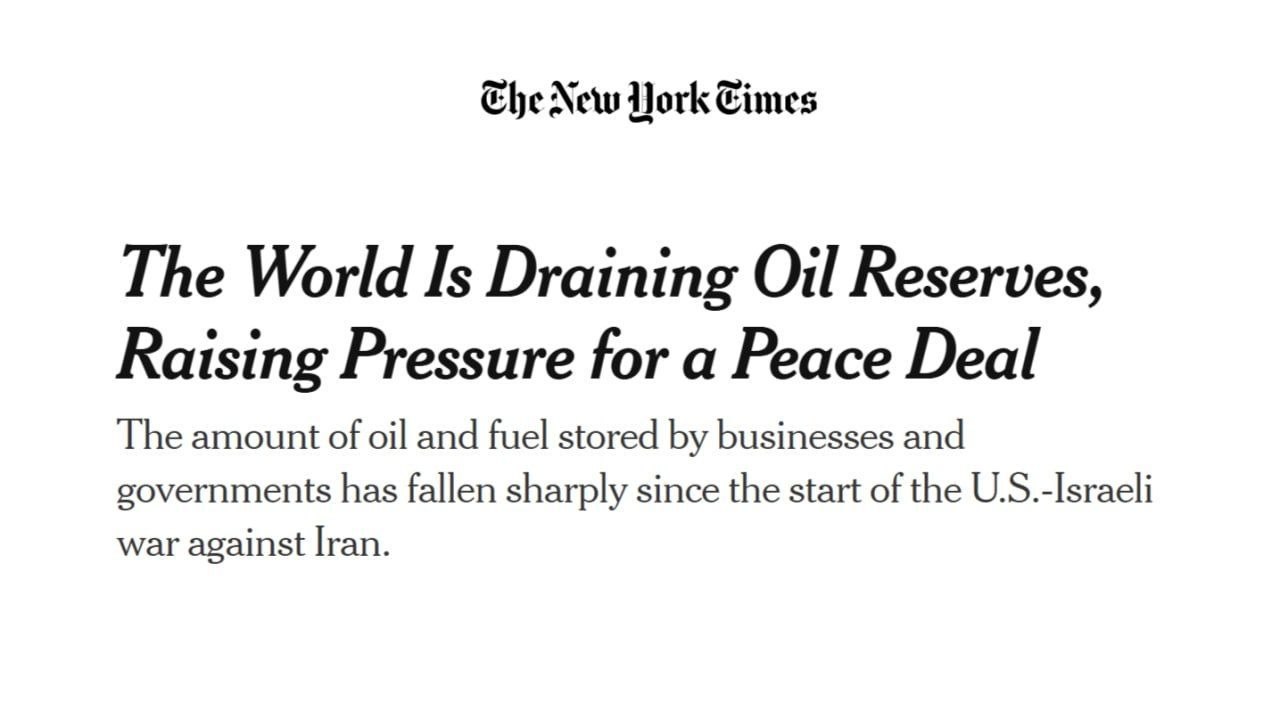
By mid-afternoon on 12 June 2026, a US–Iran deal looked close enough to move markets. By early evening, it had moved in three directions at once. The contradictions are the story.
The day's reporting describes a framework that, on paper, is the most serious nuclear-and-shipping arrangement since the JCPOA collapsed: destruction and removal of nuclear material, full dismantling of Iran's programme, the withholding of funds until compliance is verified, and the reopening of the Strait of Hormuz. Within hours, the same news cycle carried an IRNA line that Iran will not restore traffic to pre-war levels, a Reuters report that UK public inflation expectations surged in the wake of the Iran war, and a UAE move to release billions in frozen Iranian assets. Each piece is sourced. None of them fit cleanly with the others.
The framework, as described
According to a US administration readout summarised on X on 12 June 2026, the deal under discussion calls for the destruction and removal of Iranian nuclear material, the dismantling of Iran's nuclear programme, the withholding of released funds until compliance is verified, and the reopening of the Strait of Hormuz. A senior US official told reporters, separately, that a signed agreement could come "in the coming days" — language that, on Polymarket wire, signalled a window measured in days rather than weeks. A "senior official" of this kind is the standard US-administration shorthand for an unnamed NSC or State Department figure; the framing should be read with that caveat in place.
The architecture is familiar. The funds-withheld-until-verified structure mirrors the IAEA inspection logic of the 2015 deal, the difference being that the trigger is no longer a snapback mechanism inside the UN Security Council but a bilateral escrow that the UAE and Iranian banks sit on either side of.
What Tehran is signalling in parallel
The IRNA line is the complicating data point. State media reported on 12 June 2026 that Iran will not restore Strait of Hormuz traffic to pre-war levels, contradicting earlier reporting — also from Iranian-aligned sources — that commercial shipping would return to normal within a month. The two statements are not easily reconciled. Either Tehran is signalling that transit fees, inspection regimes, or escort protocols will remain in place indefinitely as a revenue and leverage stream, or the earlier "return to normal" reporting was premature and is now being walked back without being retracted.
The structural read: even a signed deal leaves Iran with the ability to throttle. The Strait is 21 nautical miles wide at its narrowest, with two-mile shipping lanes in each direction; capacity is a function of Iranian coastguard and IRGC Navy behaviour, not of any text on paper. A framework that promises "reopening" without specifying throughput or escort rules is a framework that can be signed and then interpreted downward.
The money leg
The UAE's reported decision to release billions of dollars in frozen Iranian assets, carried on BRICS News on 12 June 2026, is the financial leg of the architecture. The mechanism matters: if the funds are released into escrow controlled jointly with US Treasury, the withhold-until-verified structure works as advertised. If the funds flow through Iranian-controlled accounts at the same moment the deal is being signed, the verification regime is undermined before it begins. The day's reporting does not specify which path is intended.
For Gulf states, the calculation is straightforward. Reopening the Strait is a regional public good worth tens of billions in deferred trade. For Iranian households, the question is whether any of the released liquidity reaches the rial before sanctions-compliant banking channels are restored. Past experience suggests the gap between announcement and bankable liquidity is measured in months.
Inflation, expectations, and the cost of the war that came before
A separate data point lands the same day. Reuters reported on 12 June 2026 that the Bank of England found UK public inflation expectations surged in the wake of the Iran war — a finding that is, on its own, the political legacy of the conflict. Expectations are sticky. Once anchored higher, they reappear in wage demands, in central bank guidance, and in the price of the next round of gilts. The Iran war's bill is not just the oil shock that has already been paid; it is the inflation pass-through that runs through 2027 and beyond. Any deal that reopens the Strait is also a deal that has to deliver visible, dated disinflation to the public, or it will be read as a failure of nerve rather than a success of statecraft.
What remains contested
Three things are not yet settled. First, the actual text of the deal: the framework is described, not published. Second, Iran's intent on transit throughput — IRNA's line contradicts the assumption of a return to pre-war flow, and the contradiction has not been resolved. Third, the UAE's role: the asset-release decision is reported, but the legal instrument, the counterparty, and the compliance conditions are not specified. The deal is real as a framework. The agreement is not yet real as a contract.
The staff-writer line at Monexus is to flag when the wire is moving faster than the facts. On 12 June 2026, three of the day's biggest Iran stories — the framework, the IRNA walkback, and the UAE asset release — were all sourced, all consequential, and not yet mutually consistent. We will follow the verification trail before the next read.
Wire provenance
This editorial synthesis draws on the following public wire/social posts:
- https://t.me/bricsnews
- http://reut.rs/4epDFXT