World Cup 2026 betting action turns to USA-Paraguay and Canada-Bosnia: where the sharp money is leaning on 12 June
Friday's 2026 World Cup slate puts the United States and Canada on the marquee, and SportsLine's panel has put its best-bets slate on record. Here is what the picks are actually saying — and where the sharp-money case runs against the public.
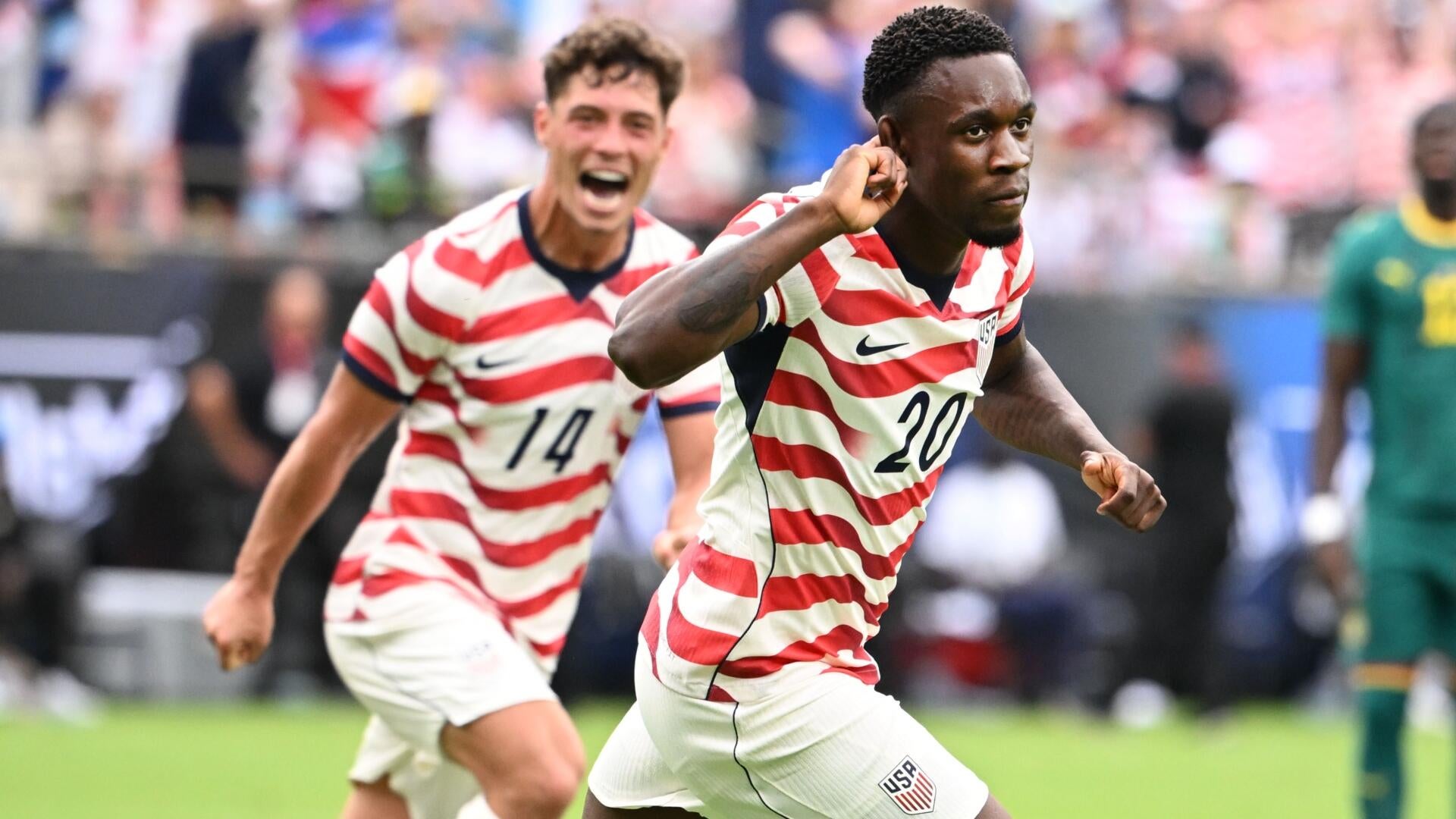
The 2026 FIFA World Cup moves into its second Friday of group-stage play, and the betting market's attention has narrowed to two fixtures with clear American interest: the United States against Paraguay, and Canada against Bosnia and Herzegovina. SportsLine's soccer panel, led by model-driven expert Jim Holliman, published a slate of best bets and a same-day parlay at 18:03 UTC on 12 June 2026, framing Folarin Balogun as the headline anytime-goalscorer target of the day. The picks, in the aggregate, are less a forecast than a fingerprint of where the betting public and the model-driven minority disagree going into the evening matches.
The pattern is familiar from past tournament opens: prop markets around individual goalscorers carry a heavier juice than the match-price itself, and SportsLine's recommendation of Balogun is built on his role as the United States' central striker rather than on form alone. Holliman's write-up at 18:03 UTC pairs the anytime-goalscorer pick with separate best-bet cards for both the USA-Paraguay and Canada-Bosnia fixtures, the kind of split that gives readers a hedging path rather than a single conviction play. The 12:00 UTC parlay, by design, threads the two matches together.
The slate, in one sentence each
The USA, opening its home tournament against a South American side that conceded regularly in qualifying, is positioned as a meaningful favourite. SportsLine's soccer experts, in their 13:21 UTC Friday card, framed the United States' pricing as fairly thin against a Paraguay team that finished above the line in Conmebol qualifying and is unlikely to sit back. That tension — a tournament host priced to win, but not by enough to silence a draw market — is the central question on the card.
The Canada-Bosnia fixture, posted at 10:23 UTC, runs in the opposite direction. Martin Green, who SportsLine flags as on an 18-8 run entering the match, took the Canadian side as a value play against a Bosnia team whose qualifying campaign, while tidy, was not a stress test against the kind of athletic pressing the Canadians are built to deliver. Cyle Larin's role as Canada's focal point up front is the structural reason the model leans the way it does.
Where the public and the panel disagree
Betting on the host nations in a World Cup year rarely behaves like a normal match market. Casual handle on the United States and Canada tends to run hotter than the closing line, dragging the price shorter than the underlying form supports. SportsLine's picks implicitly acknowledge that. Balogun is being recommended as an anytime scorer at a market that, by the time of the 18:03 UTC publish, has already absorbed a chunk of public money on United States goals.
The case against the public line is straightforward. Paraguay is not a tournament debutant; it is a Conmebol side that has cleared the group stage in three of its last four World Cups and conceded 1.06 goals per game across qualifying. The draw price on the USA-Paraguay match, more than the match price itself, is the live value if the model is right about the gap between handle and probability. SportsLine's same-day parlay, by mixing in a Canadian side that the panel also likes, partially addresses that risk; it also constrains upside on any single leg.
On the Canada-Bosnia match, Green's read is closer to a flat statement: Canada is better at home than Bosnia's qualifying opposition measured it for. The model is not asking readers to bet on a Canadian World Cup dynasty; it is asking them to recognise that Bosnia's path through the UEFA playoffs did not test the athletic ceiling that Canada can bring.
What the parlay is actually doing
The 12:00 UTC parlay is the most useful single document in the package. It commits the panel to a structure — USA-related goalscorer exposure, plus a Canada moneyline — and the choice of that structure is itself the analysis. A same-game parlay on the United States match would be a conviction play on a US win; a multi-match parlay is a volatility trade, accepting lower per-leg confidence in exchange for a multiplier that does not require either match to land by a wide margin.
That structure also tells readers what the panel is not doing. It is not asking anyone to lay a heavy favourite on the United States moneyline, and it is not asking them to chase Bosnia at plus-money on a long-shot theory. The bet construction is a tell.
Stakes and what remains genuinely uncertain
For the United States, the first match of a home World Cup carries a price that is not just about three points — it is about whether the host narrative is a market force or a manageable discount. A win validates the public line and tightens the price on every subsequent US group match; a draw or a loss re-prices the entire tournament for the host. For Canada, the Bosnia match is the rare opening fixture where the model and the public are closer to aligned, which is precisely why the value sits where the panel says it does.
The honest caveats: the SportsLine card is, by its own framing, a model-and-expert product, not a verified sharp-money tracker. Wickets on an 18-8 run, as Green is described, are a sample-size artefact as much as a signal. And prop markets around individual goalscorers carry higher bookmaker margins than full-match prices, so the expected-value math is less forgiving than the headline number suggests. The model is the model, and the tournament has a long history of reminding models, and the public, what the games actually want to do.
Desk note: Monexus has framed the SportsLine card as a record of where one established model's panel is leaning on 12 June 2026, rather than as a tip sheet. Wire-style coverage of World Cup betting has a tendency to reproduce expert confidence without pricing in the gap between public handle and model probability; this piece surfaces that gap explicitly.