Brazil's New York coronation: World Cup opener against Morocco tests Ancelotti's reset
Brazil's 2026 World Cup opener against Morocco lands in New York on Saturday, with Carlo Ancelotti's rebuilt Seleção under immediate scrutiny in a Group F that offers no warm-up.
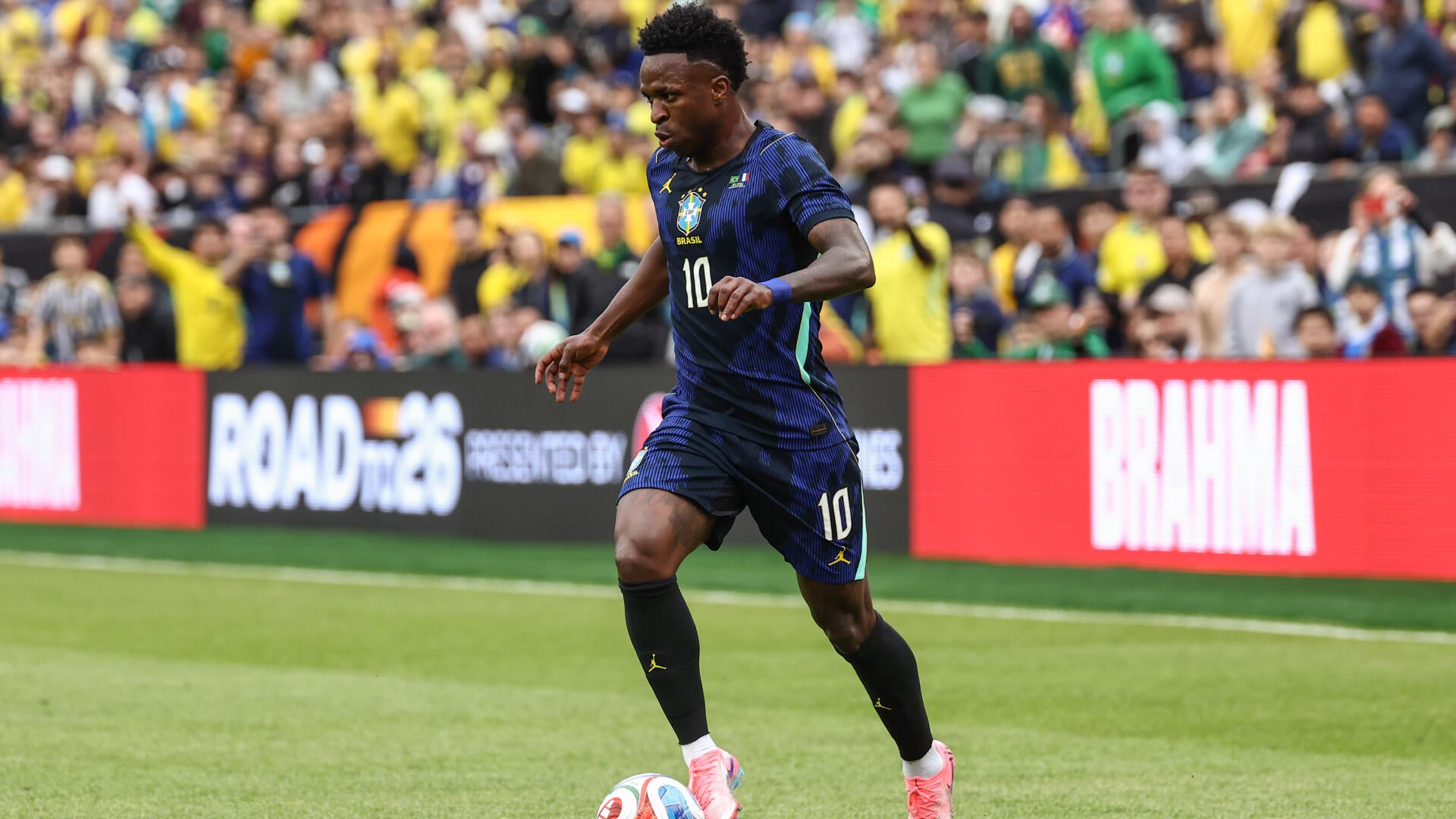
New York became Brazil's second capital on Saturday, 13 June 2026, hours before Carlo Ancelotti's remade Seleção faced Morocco in the opening fixture of Group F. Crowds in Canarinho colours filled midtown blocks from morning, a logistical migration that ESPN's live coverage and FIFA's own social channels tracked through the afternoon UTC. The game itself, staged at MetLife Stadium in East Rutherford, was framed by the same outlets as the marquee tie of the group stage — a tag CBS Sports attached to the fixture the previous day and ESPN reinforced with its World Cup Daily broadcast at 17:02 UTC.
What makes the match worth watching is not the staging but the reset. Ancelotti, who took the Brazil job in the cycle's wake and now manages a squad light on World Cup miles, walks into a Group F where every opponent believes it can take points. The opener against Morocco — a team that exited Qatar 2022 at the semi-final stage and returns with most of that core — is the least forgiving first assignment Brazil could have drawn.
A Group F without warm-up
The conventional logic of World Cup openers is that the favourite is allowed a rust-shaking win before the tournament finds its teeth. Group F denies Brazil that grace. Morocco, per the same previews that flagged the match as the group's centrepiece, will press the same defensive block and transition patterns that took them past Belgium, Spain and Portugal in 2022. The Atlas Lions have not been knocked out of a competitive tournament since that semi-final; they arrive in 2026 with the squad depth to repeat the structure.
Ancelotti's brief, as telegraphed in pre-tournament coverage, is to integrate a younger attacking core without abandoning the possession game that defined Tite's title-window years. The Athletic's note that "Brazil is taking over NYC ahead of their World Cup opener against Morocco" is more than a colour piece. The expectation inside the federation is that a sold-out neutral-venue crowd in the New York metro area tilts the atmosphere. Whether that carries onto the pitch is the question the night answers.
The Morocco counter-narrative
The framing that Morocco is a convenient first opponent for a Brazilian rebuild deserves scrutiny. Walid Regragui's side has spent four years learning how to survive the high press of European and South American opposition; their default is to invite territory and strike on the break. Brazil's full-backs, often the trigger for Ancelotti's wide attacks, will be the pressure point.
A plausible alternative read is that Morocco enters the tournament with the cleaner identity and the steadier selection. Brazil's squad is a story still being written; Morocco's is a finished draft. If the game becomes a question of who executes their plan with fewer errors, the pre-match narrative inverts. Saturday's result will move that needle in one direction or the other.
What this tournament is really testing
Strip the fixture of its festive skin and a structural question sits underneath. The 2026 World Cup is the first edition expanded to 48 teams, the first hosted across three countries, and the first where the United States carries most of the logistics. Brazil's opener sits inside that reformatting: a South American superpower playing a North African semifinalist on American soil, in a stadium built for an NFL franchise, in front of a diaspora crowd that is neither touring fan-base nor home support.
This is the tournament's broader experiment. Group-stage marquee matches used to be calibrated for television windows and supporter travel; in 2026 they are also testing whether a city like New York can absorb a five-figure Brazilian invasion and a Morocco diaspora of comparable size without the match itself losing shape. The colour that FIFA and The Athletic both highlighted on Friday is part of the test, not a side effect of it.
Stakes through the group
For Ancelotti, a loss or a draw on Saturday is recoverable but psychologically expensive. A win sets up a path through the group and gives a young squad permission to play. For Morocco, anything other than a draw becomes a foundation: the team that broke the African ceiling in Qatar becomes, with a point or three in East Rutherford, the team that broke the South American one in the United States.
The match is also the first real data point on a tournament question that has no answer until the third matchday. Group F is short on gimmes and long on matchups where technical quality and tactical discipline meet in equal measure. Brazil-Morocco is the opening test case, not the headline.
— Monexus framed this around the reset under Ancelotti rather than the supporter atmosphere; the colour in New York is the backdrop, the identity question is the story.
Wire provenance
This editorial synthesis draws on the following public wire/social posts:
- https://t.me/TheAthletic
- https://t.me/FIFAcom