Qatar 1-1 Switzerland: a stoppage-time draw that tells you more about the World Cup than the table does
Switzerland led for most of the night in the 2026 World Cup opener, then conceded in added time to leave Doha with a 1-1 draw — and a useful reminder that the hosts' tournament is rarely about the scoreline.
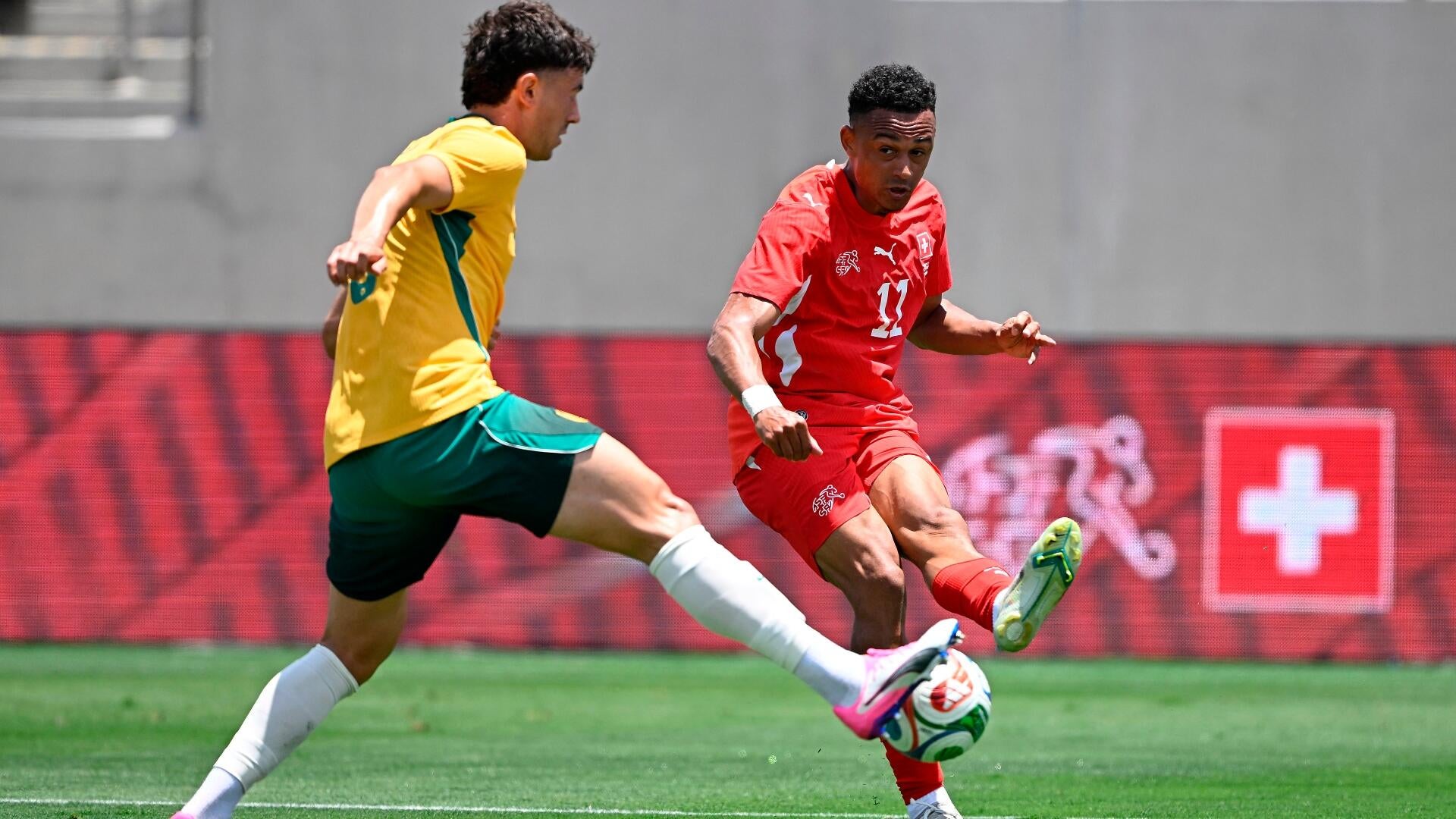
Switzerland took the lead and held it for most of the evening in the 2026 World Cup's curtain-raiser in Doha on 13 June 2026, before conceding to Qatar in the closing minutes to leave the pitch with a 1-1 draw. The half-time score of 0-1, reported simultaneously by the tournament's official feed and a major American sports outlet, suggested a controlled Swiss performance; the full-time result, a stoppage-time equaliser that denied Murat Yakin's side all three points, turned the night into a small case study in how World Cup openers tend to be read in the moment, and how they ought to be read in hindsight.
The pattern is familiar. The first match of a tournament is a calibrating exercise dressed up as a contest: managers gauge minutes, broadcasters test graphics, fans reset their expectations. The result is almost always a result the table rewards less generously than the performance suggests. A 1-1 draw that flatters the chasing side and irritates the side that led for eighty minutes is the genre's purest form.
The shape of the evening
By half-time Switzerland were ahead, a scoreline carried in identical form by both the official FIFA communications feed and a major American subscription outlet within the same minute, an unusual piece of cross-platform uniformity for a tournament of this scale. The full-time result, a 1-1 draw confirmed by a major French-language broadcaster and a major European news channel roughly an hour after the restart, told a different story: the lead had not survived added time, and Switzerland had been pushed into a shape of the game that suited Qatar more than it suited them.
The evening's tactical picture — and indeed the late concession — sits inside a longer Swiss tournament pattern that the broader reporting has not had time to digest. Switzerland have made a habit in recent cycles of conceding the kind of late goals that turn wins into draws and draws into losses, and the early returns on this tournament will do nothing to quiet that reading.
The counter-read: a point earned, not a point dropped
The mirror-image case is that Qatar, playing on home soil, lost the first half and then took the second. A 1-1 draw against a European side ranked comfortably above them in the FIFA ladder, in their own opening match of a tournament they are co-hosting, is the kind of result a smaller federation builds narrative capital from rather than the kind of result they apologise for. The available reporting, which foregrounds the late equaliser rather than the half-time deficit, is broadly consistent with that frame.
Both readings are present in the data, and the honest summary is that neither is wrong. Switzerland controlled the middle of the game and lost the ending; Qatar lost the opening and found the ending. The point each side left with was, by the standard of tournament openers, a reasonable return for the football they played.
What the table now says — and what it does not
A single result in the first group game of a World Cup is a thin input. The table, after one round, will tell you the difference between a point and three; it will not tell you the difference between a point earned through tactical discipline and a point earned through a late deflection in added time. With roughly 48 matches to play across the group stage, the cost of misreading a single opener is small in the abstract and real for the side that misreads it in the dressing room.
The broader structural point is more durable than the result. Host nations in expanded World Cups have routinely extracted points from fixtures that the rankings suggest they should not; the 2026 edition, spread across the United States, Canada and Mexico, is the most expanded version of the tournament ever staged, and the opening fixture has set the kind of modest, draw-shaped tone that tends to follow.
Stakes, with caveats
The plain reading is that Switzerland will be annoyed, Qatar will be satisfied, and the rest of Group A — the wire material is not detailed enough here to identify the other two sides with confidence — will have watched a useful tape. None of the reporting currently available provides a confirmed goalscorer list, a detailed minute-by-minute, or a quote from either manager, which is a routine shortcoming of the earliest reporting on tournament openers and one that will be repaired inside 24 hours.
What can be said with confidence is that a tournament which will be decided over the next month began, on 13 June 2026, with a 1-1 draw in which the side that led for most of the night did not win. The pattern is a familiar one. The result, on this evidence, is not.
This piece foregrounds the late equaliser, consistent with how the European wire read the fixture, but stops short of the automatic Switzerland-was-robbed framing: the half-time deficit Qatar overturned is a counter-weight the available reporting supports.
Wire provenance
This editorial synthesis draws on the following public wire/social posts:
- https://t.me/TheAthletic
- https://t.me/FIFAcom
- https://t.me/euronews