Anthropic's 90-minute window and the new shape of US AI control
Washington gave Anthropic ninety minutes to pull two of its most capable models. The episode reveals how US AI policy is now being made — fast, opaque, and aimed at the companies the government helped build.
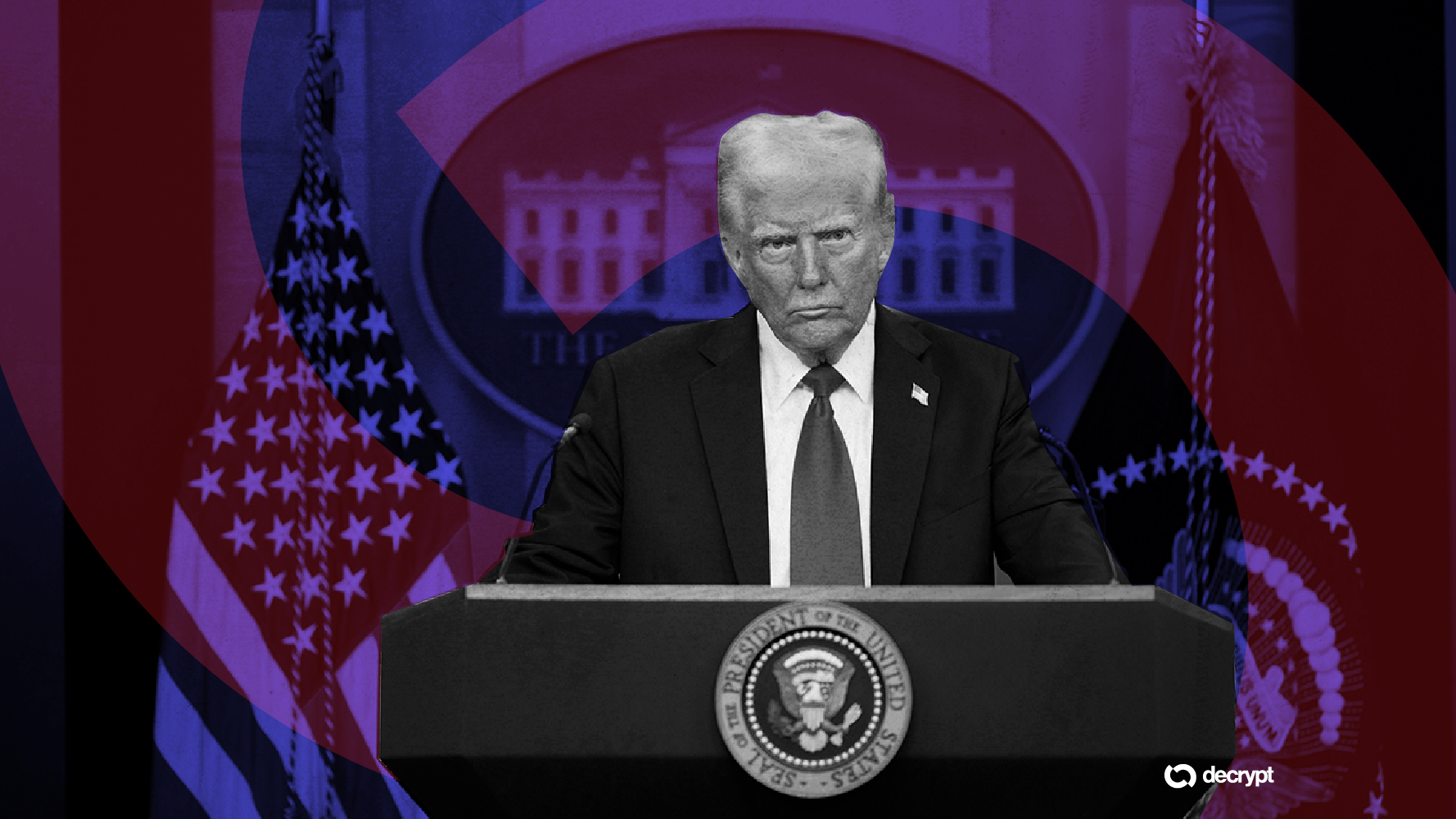
On 13 June 2026, the US government ordered Anthropic to take down two of its most advanced large language models — Claude Fable 5 and Claude Mythos 5 — and gave the company roughly ninety minutes to comply, according to a Polymarket wire citing initial reporting on the order, timestamped 2026-06-14T03:55. Decrypt reported the same day that Anthropic publicly pushed back, arguing that the vulnerability cited as the basis for the takedown is already widespread across the industry, and that a near-immediate scrub of frontier weights is not a proportionate response to a problem every major lab is wrestling with.
The episode is short on legal texture and long on signal. Washington now treats frontier model deployments the way it once treated arms exports — a permission to operate, revocable on a phone call. That is the story, and the rest of the noise is decoration.
The 90-minute clock
Polymarket's wire, picked up at 2026-06-13T15:56, reported that Anthropic itself acknowledged "a huge percentage" of its own employees are now barred from accessing Fable 5 and Mythos 5 under the new US restrictions. That detail matters more than the press-release framing suggests. The models are not just being withheld from foreign buyers or hostile state actors — they are being fenced off from the people who built them. Research staff, safety teams, and product engineers inside the company now sit on the wrong side of a compliance line that did not exist a week earlier.
Decrypt's reporting on 13 June 2026, timestamped 19:23 UTC, captured Anthropic's argument in plain terms: the cited flaw is industry-wide, the takedown is selective, and the ninety-minute window is a posture, not a process. None of that is a denial that the models can be misused. It is a contention that the misuse case, as stated, does not justify the remedy imposed.
The selective-application problem
Anthropic's strongest card is the symmetry question. If the vulnerability is real, it is real for every frontier lab with a comparable model on offer. The US government is not in the business of mandatory disclosures to the public; it is in the business of choosing which American champion gets kneecapped this quarter and which gets a quiet pass. Anthropic's complaint, read carefully, is less about the rule than about the application — that a generic concern has been laundered into a company-specific sanction.
There is a counter-reading worth airing. The government may be testing a new instrument, not making a category-wide claim. A targeted takedown of one lab's two flagship models is the cheapest way to discover what the legal architecture can hold, what the courts will tolerate, and how the press will frame it. Anthropic, by responding publicly and pushing back in print, has done the government the favour of clarifying the legal perimeter faster than a quiet compliance letter would have.
What "made in America" is starting to mean
For most of the post-2022 AI cycle, US policy treated frontier models as a private-sector race with light-touch federal coordination. Export controls on advanced chips were the exception, not the rule, and they were aimed downstream at China rather than upstream at American labs. The 13 June order marks an inflection. The locus of control has moved inside the United States, and it is being exercised against the company, not the customer.
Two consequences follow. First, the cost of building frontier models in America has just risen in a category that does not show up on a balance sheet: regulatory risk. Anthropic's competitors — and there are several — are now operating under a rule that says, in effect, the government can revoke access to a flagship product on an afternoon's notice. Capital allocators notice that, even if the press release does not. Second, the diplomatic cover story — that US AI is a private-sector engine running on free enterprise — has been quietly retired. A model that the government can pull is, in any meaningful sense, a public utility with a private operator.
What we do not know
The available reporting does not specify which agency issued the order, what statutory authority it cited, or whether Anthropic has been given a formal appeals path. The "ninety minutes" figure comes via the Polymarket wire at 2026-06-14T03:55 and has not yet been independently confirmed in a court filing or a Federal Register notice. The vulnerability Anthropic describes as "already widespread across the industry" is not named, and no competing lab has been quoted on the record. None of that voids the story; it just bounds it. Until the underlying order is published, the episode is best read as a stress test of a new policy posture, not a closed legal file.
Stakes
If the new posture holds, every American frontier lab is now a regulated utility in everything but name, and the next round of model launches will be negotiated with the Commerce Department or its successor before they are negotiated with investors. If it does not hold — if a court forces disclosure of the order, or Anthropic wins a public fight and re-publishes the weights — the precedent runs the other way, and the government will be slower to reach for the same lever next time. Either way, the line between American AI policy and American AI product has just been redrawn, and the rest of the world was not in the room.
— Monexus framed this as a domestic US regulatory story, not a China-export-control story, because the sources point inward: the sanction is on the company, not the customer, and the people locked out are inside San Francisco, not Shanghai.