Brazil and Morocco trade blows at MetLife as World Cup 2026's heavyweight opener delivers on the billing
A 1-1 draw at the venue that will host the 2026 final gave Group C its first statement result — and a reminder that the African champions will not be a sideshow.
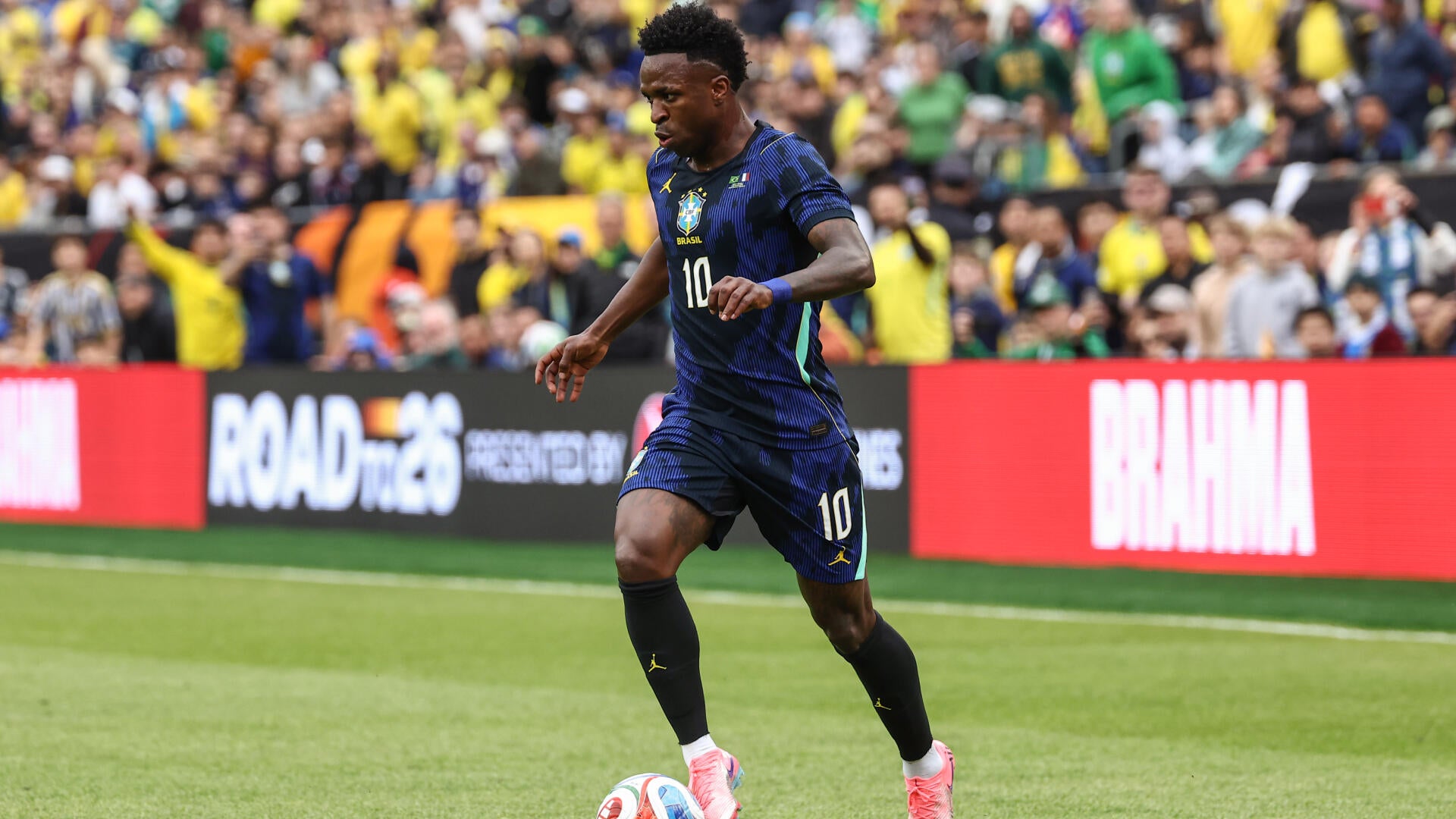
At 22:07 UTC on 13 June 2026, the first heavyweight clash of the 2026 FIFA World Cup delivered exactly what the billing promised: a 1-1 draw between Brazil and Morocco at MetLife Stadium, the New Jersey venue scheduled to host the tournament's final on 19 July. Within minutes, France 24's English and French newsrooms were running simultaneous copy on the result — the kind of split-second, two-language coverage that reflects how seriously broadcasters now treat the Atlas Lions' rise inside the global game.
The point of the evening, for both teams, was never just the scoreline. Group C, designed by the draw to read like a late-tournament bracket, had been framed in previews as a referendum on two different projects: Brazil's attempt to convert a generational forward line into a fifth-starship campaign, and Morocco's bid to prove that the semi-final run in Qatar 2022 was the floor, not the ceiling, for African football at World Cups.
A first half that answered the hype
For 45 minutes, neither side allowed the occasion to settle into the caution that often marks tournament openers. According to France 24's live blog, Vinícius Júnior opened the scoring for Brazil, with Morocco drawing level before the interval. The pattern — Brazil's individual superiority against Morocco's organised press and full-throttle transitions — is the one most analysts had predicted, but the scoreline did not flatter the underdogs. France 24's French wire noted the match "kept its promises," an unusually direct phrase from a desk that generally treats hyperbole with suspicion. Achraf Hakimi's presence on the ball, the broadcaster observed, gave the Moroccan side a tempo-setter capable of unsettling Brazil's back line even when possession sat the other way.
The framing matters. The wire consensus in the run-up had been that Brazil's attacking depth — Vinícius, Rodrygo, the supporting cast — would simply be too rich. Morocco's task, as several previews framed it, was to survive. A 1-1 draw with Brazil in their opening fixture is not survival; it is a statement that the African champions intend to be a factor in the knockout rounds, and that the gap between the confederations, on this evidence, is narrower than the FIFA rankings suggest.
The counter-narrative the broadcasters did not chase
There is a less flattering read, and it belongs in the record. Brazil under pressure, even at 1-1, looked like a side still searching for a defensive organiser in midfield. The equaliser did not arrive from a moment of Moroccan genius so much as from a Brazilian lapse in concentration — the kind of error that has recurred in Seleção builds for the better part of a decade. If the draw validates Morocco's project, it also validates the longer-running critique of Dorival Júnior's squad: that the attack can mask, but not fix, the structural gaps behind it.
Morocco, for their part, have their own caveat. Drawing with Brazil in New Jersey in mid-June is one thing. The fixtures that will define their group — against the other two Group C opponents, both of whom arrive at this tournament with less profile but with the compressed preparation cycles that often produce a more physical, less inhibited contest — are another. A team that has now announced itself has also, by announcing itself, become the team opposition plan specifically to break.
Why the venue was the subtext
MetLife Stadium is the answer to a question the United States has been asking since the 1994 World Cup: can a country that treats soccer as a secondary spectacle host a final that the rest of the world treats as the main one? The stadium's position as the 2026 final venue turned an ordinary group game into a soft audition. The broadcasters know it; FIFA knows it; the U.S. Soccer Federation knows it. A competitive, watchable, narratively rich opening fixture at the venue that will stage the decider is precisely the kind of optic the tournament's organisers needed in week one.
The structural read, stripped of theory, is simpler. A World Cup expanded to forty-eight teams and spread across three host nations needs its marquee matches to land early, both commercially and reputationally. The fact that a 1-1 draw between Brazil and Morocco is now treated as a marquee match — rather than a curiosity — is itself the headline. The global game's centre of gravity is less monolithic than it was at Qatar 2022, and the U.S. broadcast market, which sets the marginal dollar on World Cup television rights, has priced that in.
Stakes: what the result actually changes
In the short term, the draw leaves Group C exactly as open as the draw-makers feared. Brazil's path to the round of sixteen is no longer the gentle walk it would have been with a win; their remaining two group games now carry the weight of a team that has dropped a point it was expected to take three from. For Morocco, the calculus is the inverse. A point against the group favourites is a foundation; a win in either of the next two fixtures would, on most simulations, be enough to advance and would carry them into the knockout rounds with the kind of momentum that flatters tactical plans and unsettles the next round's seedings.
The longer-horizon stakes sit one layer out. African sides have now produced a World Cup semi-final, a win over Belgium, a win over Spain, and a competitive draw with Brazil at the venue of the 2026 final — all within a single four-year cycle. Confederation strength, judged on results rather than rhetoric, is no longer a polite afterthought. The next round of broadcast-rights negotiations, the next round of FIFA governance votes, the next round of expansion conversations, will all be conducted in a media environment in which Morocco-vs-Brazil is, demonstrably, an A-list fixture. That is a change in the room even when nobody mentions it on camera.
What remains genuinely uncertain is whether the Moroccan result travels. Group-stage form against a Brazil side that has historically treated June friendlies as laboratory conditions has, in the past, overstated the gap between contender and champion. The honest read of the evidence so far: both teams have work to do, both teams have reasons to believe, and the tournament has, at last, a marquee group that will reward attention rather than merely consume it.
Desk note: The wire reporting on this fixture, France 24's two-language live coverage included, treated the result as both a sports story and a soft geopolitics beat. This publication has kept the framing on the football and the structural shift in confederation weight, and left the soft-power angles for a longer read once the group resolves.
Wire provenance
This editorial synthesis draws on the following public wire/social posts:
- https://t.me/france24_en
- https://t.me/france24_fr
- https://t.me/france24_en/2142