Hydration breaks, hidden consequences: the new 2026 World Cup rules and the VAR diving call that still has referees arguing
FIFA’s 2026 rule tweaks were sold as clarity. Two matches in, the new protocols around hydration breaks and simulation are generating the opposite.
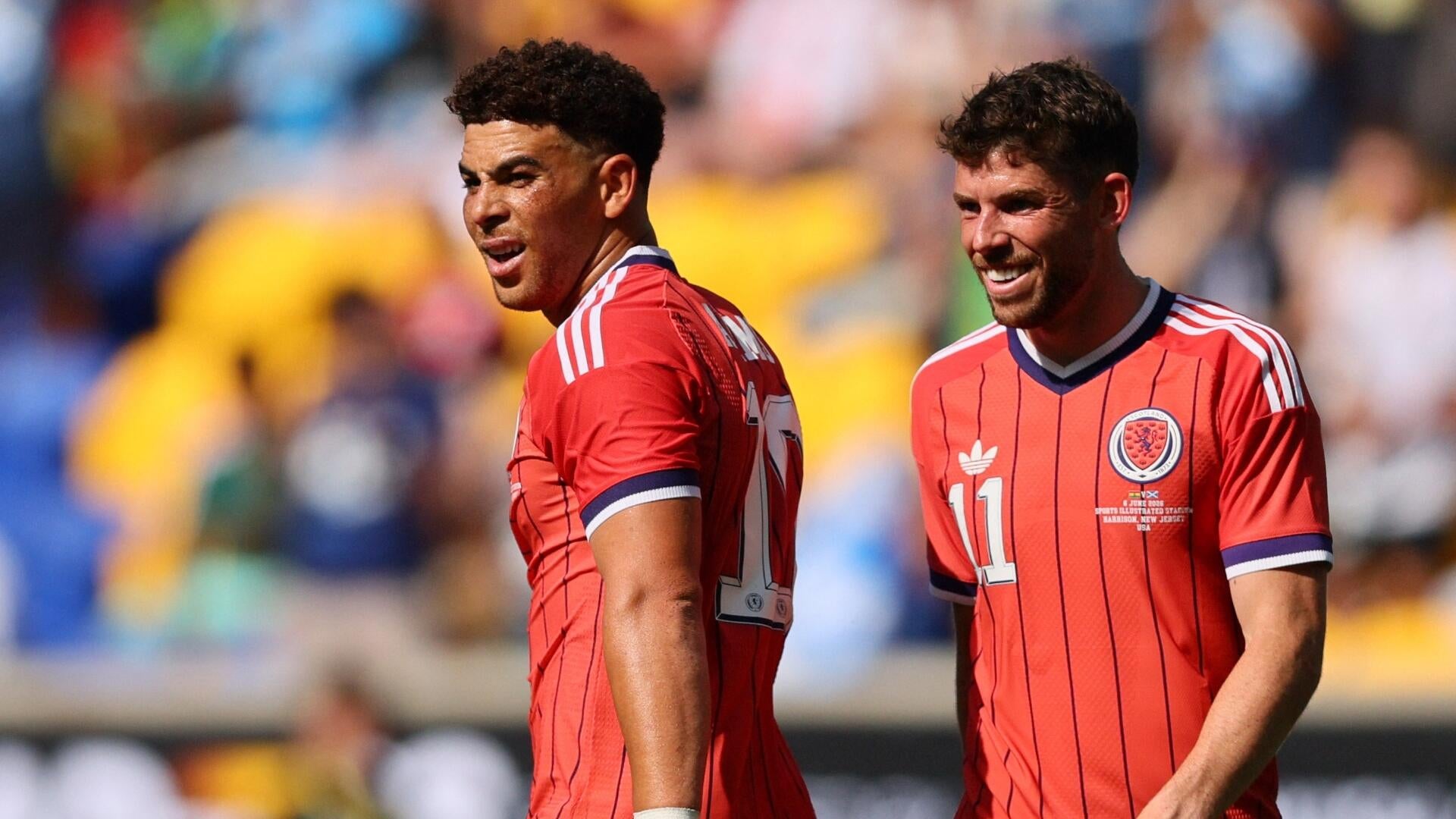
At the 2026 FIFA World Cup, footballers are drinking more water than they used to — and the new rule that lets them do it, mid-play, is becoming the tournament's first low-grade controversy. Two matches into the group stage, footage of players gathering on the touchline for an official cooling break has spread across FIFA's own social channels, where the federation's Telegram account reposted a viral clip captioned "Gotta stay hydrated for all these World Cup games." The Athletic picked up the same clip within hours. The Athletic's Telegram feed, mirroring the FIFA post, has been reshared widely by supporters bemused by a tournament that appears to pause for bottled water.
The hydration break is the least of the rule changes on show. FIFA has quietly rewritten several chapters of the Laws of the Game for this tournament — including, most consequentially, the protocol for awarding a penalty against a player who simulates a foul. Two games in, a high-profile call has referees, players and analysts publicly divided over whether the new framework is producing better decisions, or simply producing different ones.
What the new rules actually do
According to BBC Sport, the 2026 tournament introduces a package of "new rules and tweaks to a few old ones" — among them, a revised approach to simulation and a standardised mid-match hydration window. The cooling break, broadcast in several group-stage fixtures, has been rolled out under hot-weather protocols and is being treated by FIFA's communications team as a player-welfare measure rather than a tactical pause.
The more substantive change is to the simulation framework. Under the revised guidance, referees are directed to award a penalty against a player deemed to have deceived the officials — even where the contact that prompted the deception was, in isolation, a foul by the defender. The intent, as FIFA has framed it, is to push attackers to stay on their feet and to clean up the theatre that has long infected penalty-area incidents.
The diving decision that did not feel wrong
BBC Sport's match analysis highlighted a specific incident in which a forward went down under challenge, the referee pointed to the spot, and the decision stood after review — despite the contact between defender and attacker being, by the strict letter of the law, a foul by the defender. The attackers' embellishment triggered the simulation protocol, but the underlying contact was not in dispute.
The result is a category of decision the rule book did not previously generate: a penalty that is, on one reading, technically correct and, on another, plainly unjust. The same incident would not have been a spot-kick under last year's guidance; under the new code, it is. The referee did not get the call wrong, in the framework he has been told to apply. The framework itself is the story.
Why the change was made, and what it actually fixes
Simulation has been refereeing's most public failure mode for a generation. High-profile dives have shaped World Cups, decided club titles, and corroded public trust in officiating at the highest level. FIFA's institutional answer has been to escalate the sanction — from a yellow card inside the area to a penalty against the diver — in successive cycles. The 2026 iteration goes further by collapsing the question of whether contact existed into a secondary tier of the decision: even genuine contact no longer immunises a player from being penalised for exaggerating it.
In plain terms: the new code trades one form of injustice for another. It removes the reward for a clean dive. It also removes, in some cases, the reward for being genuinely hit. That trade-off is defensible if the rate of simulation falls meaningfully over the group stage. It is harder to defend if, as happened in the incident BBC analysed, the visible outcome is a penalty that no one in the stadium would have called a dive.
Stakes for the rest of the tournament
What is at stake in the next fortnight is whether the new framework is read as authoritative or as provisional. Referees have historically been slow to centralise on a new interpretation mid-tournament; the risk for FIFA is that the protocol splits — some officials apply it strictly, others visibly hedge — and the on-pitch product becomes inconsistent in exactly the area the change was designed to clean up. Player behaviour adapts faster than officials' habits; if attackers continue to test the new boundary, the next two weeks will produce more spot-kicks of the contested kind.
The hydration break, by contrast, is unlikely to cause lasting friction. Players want the rest. Broadcasters have filled the dead air with graphics. FIFA's own social channels are leaning into the meme, reposting the "gotta stay hydrated" clip without commentary. The cooling window is a public-relations success waiting to be measured against the more technical row over simulation.
What we do not yet know
The sources do not specify how many simulation penalties have been awarded in the opening two matchdays, nor which officiating crew handled the incident BBC analysed. FIFA has not, in the items reviewed, published a written rationale for the revised protocol beyond the broader messaging that simulation must be punished decisively. Until the federation releases the underlying guidance and the match officials' post-game explanations, the new framework will continue to produce decisions that feel right to the protocol and wrong to the eye.
Monexus framed this piece around the simulation protocol rather than the hydration clip that drove the social conversation. The drinking break is a poster, not a policy; the diving rule is the change that will shape how this tournament is refereed.
Wire provenance
This editorial synthesis draws on the following public wire/social posts:
- https://t.me/FIFAcom
- https://t.me/TheAthletic