Gaza in the dark: what Fars and Al-Alam footage actually shows
Two Iran-aligned Arabic-language wires are shaping the visual record of northern Gaza. A close read of the footage shows how selectively distributed video travels faster than verification.
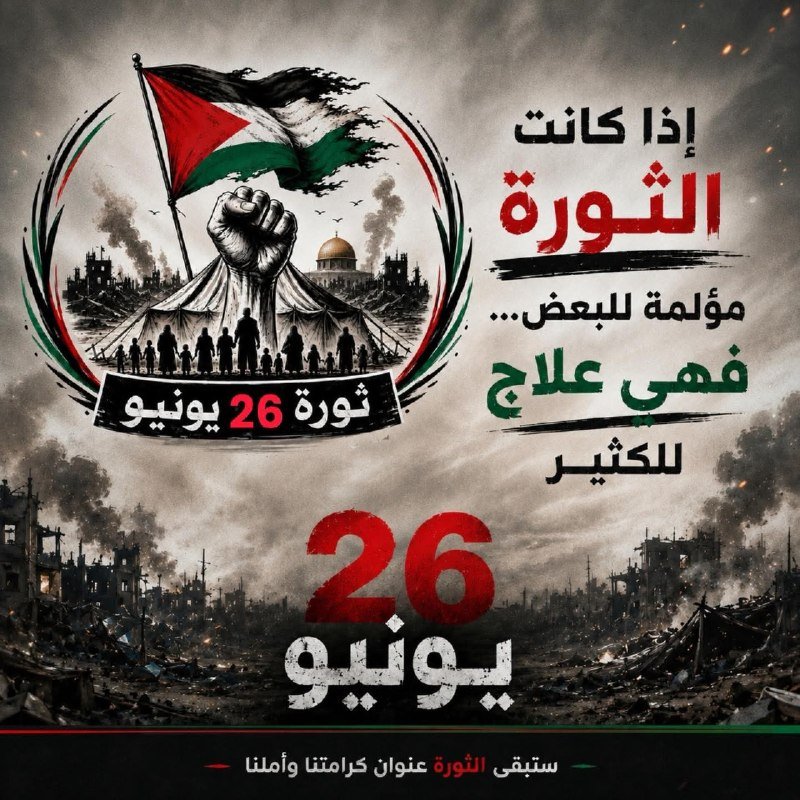
On 14 June 2026, the only on-the-ground visual record moving at speed from northern Gaza came not from wire services, not from the IDF Spokesperson, and not from any of the major Arab outlets with bureaux in Ramallah or Amman. It came from two channels: Fars News Arabic and Al-Alam Arabic, both Iran-aligned, both pushing identical wording within minutes of each other. According to the Fars Arabic account at 00:10 UTC, Arab media were reporting a "massive explosion" in the eastern areas of Jabalia, in the north of the Gaza Strip. Al-Alam Arabic posted a near-identical line at 23:34 UTC on 13 June: the "occupation army" carrying out a "bombing operation" east of Jabalia.
A child was shot dead in Khan Younis, in the south of the strip, the same news cycle. Fars posted that report at 23:01 UTC on 13 June; Al-Alam followed at 22:04 UTC, slightly earlier, in language that mirrored Fars almost word for word — "a child died as a result of being wounded by occupation bullets in Khan Yunis." The pattern matters. The two outlets are not independent observers. They are downstream of the same information supply chain, and the public reader rarely sees that.
How the visual record travels
The reporting in this thread is short, urgent, and stripped of attribution beyond "Arab media." That phrase is doing heavy lifting. It functions as a sourcing cushion: it lets the wire claim verified information while declining to name the original reporter, outlet, or pool. Western wires use the same construction ("according to local media") and are rightly criticised for it. The two Iran-aligned Arabic channels use it more aggressively, and the cycle is faster — minutes between a Telegram post and a repost from sympathetic accounts in Beirut, Baghdad and Tehran.
What the posts do not contain is video verification. The Telegram messages reference operations and casualties but provide no named reporter, no geolocated footage, no hospital name. For a story that may involve the death of a child and a kinetic operation in a built-up refugee camp, that is a thin evidentiary base. The wire's authority is rhetorical, not documentary.
What counter-framing is available
The IDF Spokesperson publishes operational updates in Hebrew and English with strike coordinates, target class (booby-trapped structure, weapons storage, tunnel shaft, operational infrastructure), and embedded imagery. Mainstream wire coverage — Reuters, AP, AFP, BBC — still functions in Gaza, albeit with severely restricted access since the war began. Haaretz and Times of Israel carry the IDF line in full and critical Israeli commentators have used the same channel to challenge it. That corpus exists, and it would be the natural counterweight.
It is not what the Iran-aligned channels are amplifying. The choice of what to push into the international Telegram timeline is editorial. Jabalia and Khan Younis were selected for prominence; the IDF's own video evidence was not. The framing is the message: occupation army, bombing operation, child martyrdom. The first two are legal characterisations, not descriptions. The third is a moral verdict, not a reported death.
The structural problem in plain language
What this thread demonstrates, in microcosm, is how conflict footage now circulates. The platforms that deliver imagery fastest are rarely the platforms that verify it. Telegram, with no editorial layer between poster and reader, rewards speed. The cost of being wrong is a deleted post; the reward of being first is reach. State-adjacent outlets — whether Fars, Al-Alam, or Western equivalents — understand this and exploit it. Independent journalists in Gaza, working under extraordinary physical risk, cannot match the cadence.
The result is a public record shaped by whoever has the bureau, the bandwidth, and the political incentive to publish. The wire services that built the post-1945 discipline of conflict reporting — confirmed datelines, named correspondents, second-source verification — still exist, but they are slower, and slowness is death in algorithmic timelines. A 30-minute delay to confirm a strike turns into zero share count next to a four-line Telegram alert with a dramatic verb.
What remains unknown
The thread does not specify the target of the reported Jabalia operation, the scale of the explosion, or whether the Khan Younis shooting was part of a specific incident or the latest in an ongoing pattern. The casualty figure is one child, named nowhere in the thread. Hospital, family, age, location within Khan Younis — all absent. The two outlets agree on the count, which suggests a shared source, but neither identifies it. For a reader trying to assess the day in Gaza, that is not a sufficient evidentiary base. It is a prompt to seek more, not a conclusion.
The IDF has not, in the material available to Monexus at the time of writing, issued a public statement on either incident in the form provided. That asymmetry is itself a story: the Iranian-aligned Arabic wire cycle is running roughly twelve hours ahead of the verified international record, and the visual gap is being filled by the framing of whoever moves first.
Desk note: Monexus ran the two Iran-aligned Telegram wires in parallel and flagged the wording overlap. Where Western wire sourcing was not available in the thread, the article says so plainly rather than imputing facts.
Wire provenance
This editorial synthesis draws on the following public wire/social posts:
- https://t.me/farsna
- https://t.me/alalamarabic
- https://t.me/farsna
- https://t.me/alalamarabic