Haiti, Scotland and the bracket nobody planned for
A 1-0 defeat in Boston will not define Haiti's tournament, but it confirms what Caribbean football has long argued: the gap with Europe's qualifiers is narrowing only on paper.
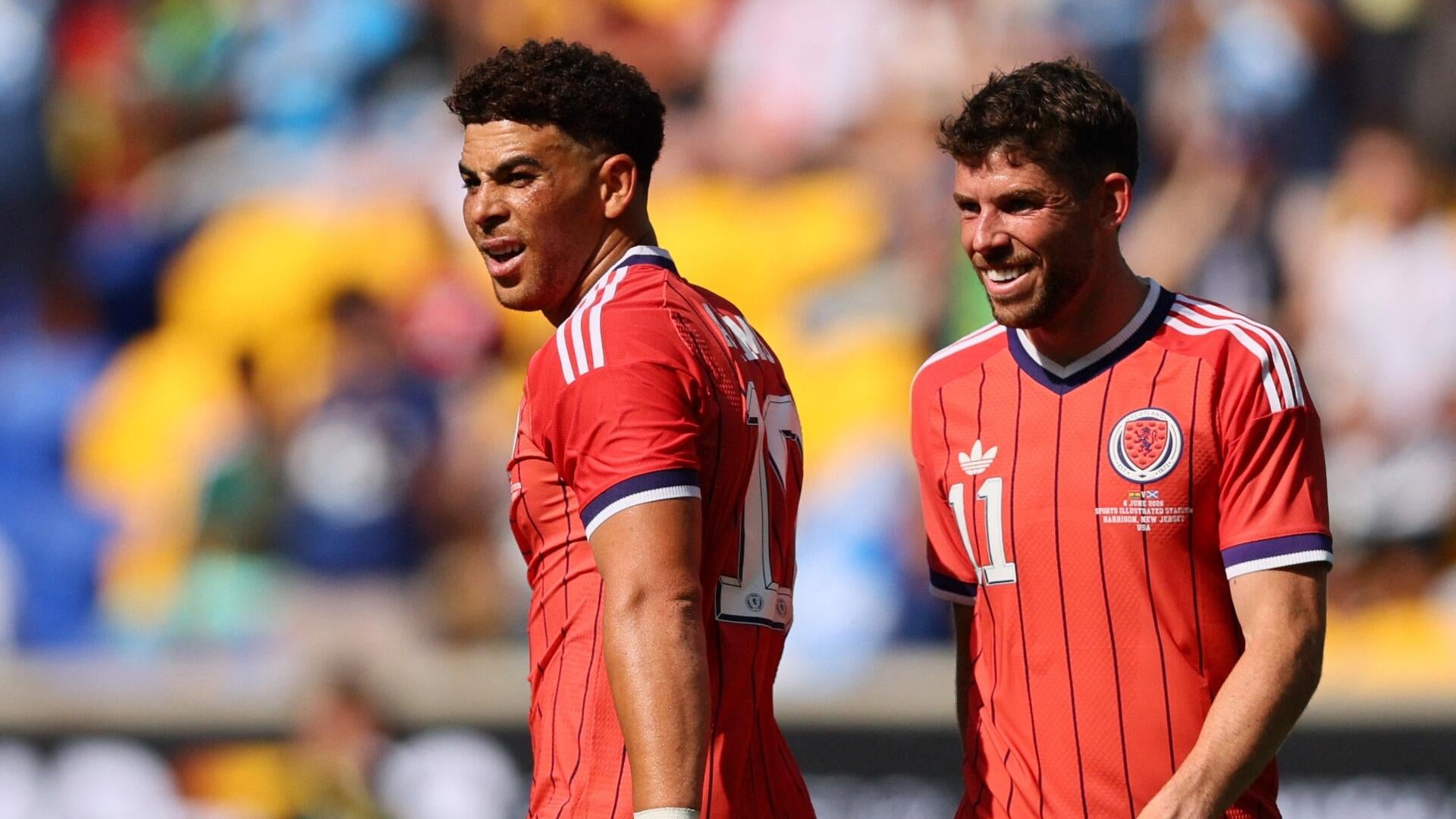
At 03:04 UTC on 14 June 2026, the final whistle blew at a venue in Boston and Group C of the World Cup had its first completed result: Scotland 1, Haiti 0. The goal, scored by John McGinn in the first half, was the difference. The scoreline does not capture the match.
Haiti did not arrive at this tournament as a story. They arrived as a survivor. The country has been working through a security and humanitarian crisis that has hollowed out parts of Port-au-Prince, and the men's senior squad's qualification — the first since 1974 — was already a national event of unusual weight. Saturday's defeat, in front of a heavily Caribbean crowd, was a competitive result, not a moral one.
A scoreline that flatters no one
McGinn's strike settled the game in the first half, according to live match reporting published on 14 June by TeleSUR English and aggregated by the GeoPolitics Watch channel on Telegram. Both feeds confirmed the half-time state at 1-0 to Scotland. The final score matched. The wider performance picture — Haiti's pressing, the depth of their bench, the spacing in midfield — will only become legible across the remaining group fixtures.
A 1-0 defeat is the kind of result that travels badly. It tells you almost nothing about how a team played. It tells you, however, that the ceiling and the floor are close together. Scotland, ranked in the top 30, did not need to be at their best. Haiti, ranked 84th in the most recent FIFA table, could not afford to be off theirs by much.
Why the framing matters more than the goal
Western wire coverage of Caribbean and African qualifiers at major tournaments has long tilted toward a single dramatic register: fairy-tale, heartbreak, moral victory. It is a framing that flatters the spectator and does almost nothing for the team. A squad that has spent two years preparing tactically for a moment is reduced, in headlines, to the condition of the country its players come from.
Haiti deserves the same analytical register as any other Group C participant. The question after a 1-0 loss is not whether the players were brave. The question is what they tried to do, and whether it nearly worked.
The structural ceiling — and what cracks it
A single qualifying cycle does not rewrite the architecture of global football. The economic gap between UEFA and CONCACAF federations, the size of national-team salary pools, the depth of scouting infrastructure, the access to high-level club minutes for diaspora players — none of that changes because a Caribbean side wins a group game. The federation-level divide is the load-bearing fact beneath the entire tournament, and it is the reason stories of "narrowing gaps" tend to overstate the case.
What does change is the reference point. A generation of Haitian children now watches players who have stood on a World Cup pitch and held shape for ninety minutes against a European side. The competitive memory of the match is the durable thing, not the result.
Stakes — for Scotland, for Haiti, for the bracket
For Scotland, the three points are exactly what the opening fixture was supposed to deliver. The rest of the group stage will tell us whether the McGinn goal was a foundation or a ceiling.
For Haiti, the elimination math is now straightforward. They will need a result — and likely more than one — from the remaining group fixtures to advance. The bar is high, but the standard has been set.
For the bracket, the lesson is the one Group C has been quietly teaching for the duration of the qualifying cycle: this is a group where every match carries weight, and where the underdog is no longer arriving to make up the numbers.
What the sources do not yet tell us
The reporting available at the time of writing confirms the scoreline, the scorer and the half-time state. It does not yet include possession figures, expected-goals totals, lineup changes or post-match tactical readouts. The deeper read of the match will follow once mainstream wire services publish their full-time analyses. Until then, the honest summary is narrow: a 1-0 result, settled by a single first-half goal, in a group that has only just begun.
Desk note: Where the Western football press will reach for "upset avoided" and "moral victory" frames, Monexus treats the result as competitive fact and the surrounding politics — federations, finances, federation-to-federation migration — as the durable story.
Wire provenance
This editorial synthesis draws on the following public wire/social posts:
- https://t.me/s/GeoPWatch
- https://t.me/s/GeoPWatch