The Iran Deal Is a Ploy — and Washington Should Stop Pretending Otherwise
A Polymarket market prices a Trump-Iran thaw at 45% by month's end. The betting crowd smells a closing window. The evidence suggests the deal is theatre — and the courts are the only thing slowing the spin.
On 12 June 2026 at 15:10 UTC, a Polymarket contract opened to the public pegging the odds that Donald Trump agrees to unfreeze Iranian assets before 30 June 2026 at 45%. The bet is not fringe. It is the most-traded Iran question on the platform, and the implied probability has held for weeks — a stubborn, market-settled verdict that the closing window is real, that Tehran will move, and that the White House is the one most likely to blink.
The thesis here is uncomfortable. A "deal" struck under this kind of pressure is not a deal at all. It is a transaction in which one side extracts concessions while pretending to grant them, and the other side buys time while pretending to capitulate. Both sides already know this. The question worth asking is not whether the deal closes, but who it serves — and what the United States gives up in the pretense that it does.
The window is closing, and Trump is selling it
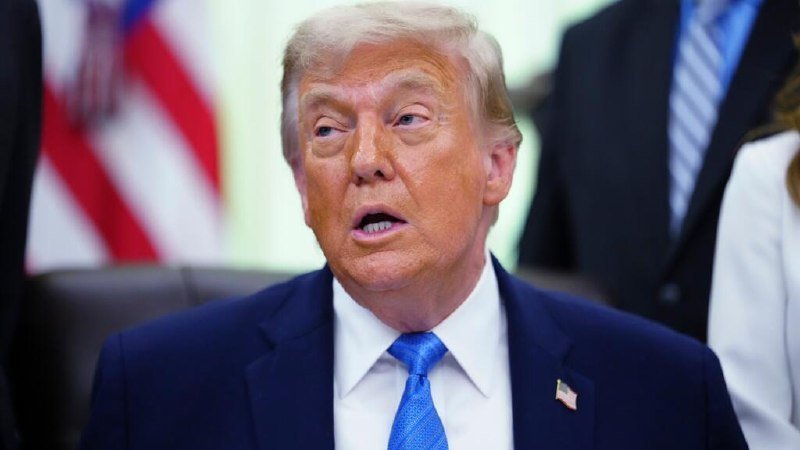
The 45% line is the market's read on Trump's own signalling. On 12 June at 13:49 UTC he warned Iran to "better get their act together, and fast" — the cadence of a man negotiating against a deadline, not a man holding firm. Twenty-four hours later, on 13 June at 20:01 UTC, he appeared with a different register: "This is the deal. It's a great deal, and it's time to end this war." The two statements, read together, are not contradictory. They are the standard sequence of a closing offer: warn, then praise the terms, then demand acceptance. The market believes the demand will work because the warning sounded like a man who has decided to settle.
That should alarm anyone taking the diplomacy seriously. The structural pattern of a Trump-era Middle East deal is not the careful multi-year negotiation that produced the original Joint Comprehensive Plan of Action. It is a single Oval Office photo, a presidential statement of triumph, and a Qatari or Omani-brokered communiqué that papers over the gaps. The Iranian side, if it signs, gets sanctions relief that will be partly reversible by the next administration — and partly reversible by the next tweet.
Courts as the only check
A reminder, dated 12 June 2026 at 17:57 UTC: a federal judge blocked the Trump administration from moving $1.8 billion through an "anti-weaponization fund" mechanism. The Wall Street Journal reported the ruling, and the underlying logic matters more than the dollar figure. The judiciary is now the institutional body slowing the executive's preferred tempo in the Middle East. If the Iran deal is structured around asset releases — and unfreezing Iranian assets is the centre of gravity of the Polymarket question — then any deal Trump announces will run straight into a courtroom that has just demonstrated a willingness to intervene in his sanctions architecture.
This is the part the deal-sellers will not emphasise. A Trump-Iran accord announced in the next fortnight is unlikely to deliver Iranian money to Tehran in a form Tehran can actually use. The same judiciary that stopped the $1.8 billion fund will be asked, in effect, to bless a politically engineered workaround — and it has just shown it will not.
What a deal here actually means
Strip the rhetoric and the deal on the table is not a nuclear settlement. There is no IAEA architecture in the conversation, no verified enrichment freeze, no signed protocol. The deal is an asset story. Iranian oil revenues held in escrow. A limited number of tankers cleared. A handful of frozen accounts released into accounts Iran can technically access. In return, Tehran is expected to perform compliance it has not yet agreed to perform, and to do so publicly, for a market that is watching.
For Trump the deal is a campaign artefact. A second-term president can always use a foreign-policy "win" to blunt the dominant narrative of the week. For Tehran, the deal is a survival patch — enough cash to manage the next fiscal year, not enough to rebuild the regional position the sanctions were designed to constrain. The Iranian negotiating position, in plain terms, is to take the money and keep the programme.
The counter-read, and why it does not hold
The counter-argument is that diplomatic pressure creates its own kind of honesty: even cynical deals freeze behaviour, deter escalations, and produce verifiable data points. By that logic, a 45% Polymarket line is not a sign of an unserious negotiation — it is a sign that the deal's structure is constrained enough to be plausible. The argument is not foolish. It is, however, the argument of people who are not asked to enforce the deal after the cameras leave.
The 30 June deadline is also, conspicuously, a domestic American deadline. Tehran knows this. It has known it since 2015, and the lesson has only sharpened since. A US administration under time pressure will sign what it can sign and call it a deal; the Iranian side, having been on the receiving end of withdrawal before, will price that risk in. The 45% market line is not optimism. It is a recognition that one of the two parties to the negotiation needs the photo more than it needs the substance.
The stakes
If the deal closes, the immediate winners are the Gulf intermediaries who brokered it, the Iranian state apparatus that receives fungible cash, and a White House that wants the headline. The losers are the Israeli and Saudi security establishments that have built their regional posture around sustained sanctions pressure, the American judiciary that will be forced to choose between respect for executive deal-making and its own recent precedent, and the longer-term non-proliferation architecture that depends on deals that actually constrain programmes rather than freeze them for one quarter. The deadline matters precisely because the deal being closed is structurally weaker than the deal being delayed.
What remains uncertain
The Polymarket line is a probability, not a forecast. The court ruling, dated 12 June 2026, applies to a different fund mechanism and a different set of legal questions than those a future Iran-asset release would raise. The 13 June Trump statement, taken in isolation, is a sales pitch — and sales pitches can stall. None of the available sources specify which Iranian assets are in scope, which intermediary jurisdiction would custody released funds, or whether any IAEA verification is on the table. The deal's substance, in other words, is still the part no one is willing to put in writing.
Desk note: Monexus treats the 45% Polymarket line as a market data point, not an editorial endorsement. The bet is on the headline, not the substance — and this piece reads it that way.
Wire provenance
This editorial synthesis draws on the following public wire/social posts:
- https://x.com/unusual_whales/status/2063347627647705088