Qatar's 2026 World Cup bid lands a second life as the FIFA shortlist reshapes the cycle
A wave of FIFA and federation posts celebrating Qatar's players reopened an old question: what does the 2026 cycle owe to the 2022 host, and what is Doha still owed?
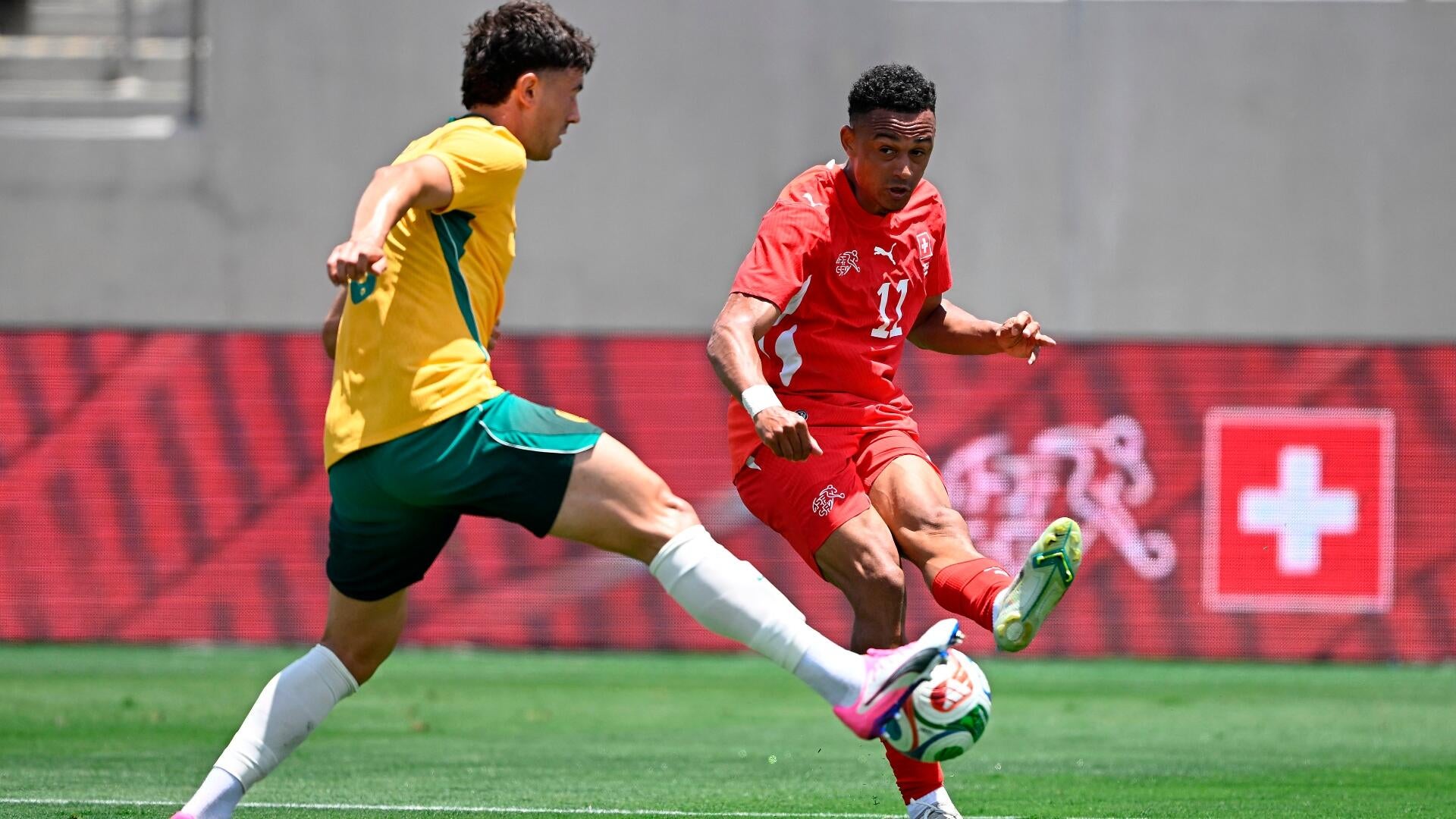
At 21:27 UTC on 13 June 2026, FIFA's official Telegram channel reposted a 16-second clip of Qatar's senior squad celebrating, captioned: "Look at how much it means to the Qatari players 🙌 Nothing beats the World Cup 🔥." Within the same minute, The Athletic's Telegram feed carried the identical footage and caption. The double-publication is small in itself. The signal it carries is not.
The post lands four years after Qatar became the first Middle Eastern host of a men's World Cup, eight months before the tournament returns to North America on an expanded 48-team format, and inside a governance cycle in which Doha is publicly campaigning for a second bite at the event. Read the post as breadcrumb, not as news — but read it together with the surrounding cycle and a clearer picture emerges of how the global game's most coveted asset is being shopped, framed, and re-priced.
A federation shortlist, and the politics of memory
The 2026 tournament is locked in: Canada, Mexico, and the United States are co-hosts, with the bulk of fixtures in US cities. The bidding calendar for 2030 is the next major event, and FIFA has signalled it intends to celebrate the centenary with a multi-confederation arrangement. Saudi Arabia's tourism authority and the kingdom's public investment vehicles have openly courted the 2034 slot; Egypt, Greece, and a number of other federations have circulated exploratory documents. Into that queue, Qatari officials have, in recent months, reinserted their own candidacy narrative — not as a fresh bid, but as a continuation of the one the Gulf state says it has not yet fully spent.
The arithmetic is unusual. Hosting rights are normally a one-cycle asset: you build, you stage, the cameras move on. Qatar's argument, in effect, is that the 2022 edition was truncated by the COVID-era decision to concentrate matches inside a single city, and that the country's stadium cluster, training base network, and tournament-operations infrastructure retain useful life. The pitch is closer to a second-term presidency than to a second-party convention.
Why Doha is still in the room
Three factors keep Qatar central to any serious conversation about the next two cycles, and none of them is sentiment.
First, infrastructure. The eight stadiums built or extensively refurbished for 2022, the metro extensions in Doha, and the dedicated tournament operations centre were sized for a 32-team, single-host format. They were not designed to be amortised across a single four-week window, and the country's public statements have made clear that successor uses — club football, AFC competitions, women's tournaments, friendly windows — are being layered on top. The asset is not yet fully depreciated, and the host federation has an interest in arguing that it should not be.
Second, regional positioning. Saudi Arabia's 2034 effort is the most heavily resourced bid the federation has ever evaluated. Doha and Riyadh have spent most of the past four years in a soft contest for soft-power primacy in Gulf sport — a contest visible in parallel bids for the 2027 Asian Cup, the 2029 Asian Cup, and the 2034 Asian Games. A Qatar "2030-or-bust" framing serves Doha as a way of forcing the multi-confederation centenary host into a three-way conversation rather than a two-way one.
Third, the broadcaster and sponsor stack. FIFA's commercial partners signed multi-cycle deals after the 2022 tournament on the explicit premise that the Middle East market would continue to deliver audiences and rights revenue. Whether the 2026 cycle, hosted across North America, hits those contractual benchmarks is one of the federation's quieter but more consequential questions. A subsequent Gulf edition, whether 2030 or 2034, is part of the answer the partners were promised.
The counter-read
The standard Western reading of the 2022 World Cup — that it was a triumph of logistics and a high-water mark for Gulf soft power, but also a tournament whose human-rights ledger has never been fully settled — still frames a meaningful slice of European and North American coverage. Under that reading, FIFA's 13 June post is not harmless nostalgia but a quiet recoding of the recent past, designed to make the 2022 cycle feel settled and the next Gulf cycle feel inevitable.
There is a counter-counter-read worth marking. The Qatari federation and the Qatari government have, since 2022, opened migrant-worker welfare offices in Kathmandu, Dhaka, and Manila, signed bilateral labour-mobility agreements with several sending states, and published the first rounds of the contract-reform data the post-tournament period was supposed to produce. Those programmes are partial, contested, and unevenly enforced — but they exist, and they sit on the public record in a way that they did not before the bid was awarded. The framing war over what 2022 actually was is therefore not yet over, and FIFA's nostalgia posts are themselves an intervention in that war.
What the repost is actually doing
Reposts from the official FIFA channel are typically reserved for federation milestones, kit launches, and qualifying moments. The choice to recirculate Qatari player footage eight months before a 48-team World Cup opens in Mexico City is unusual in two respects. It elevates a non-participating 2022 host over the federations currently building their 2026 squads, and it does so through the federation's flagship channel, not through a regional sub-account. The Athletic's parallel repost, almost certainly pulled from the same rights-cleared asset, broadens the distribution to a non-FIFA English-language audience.
The plainest reading is that the federation is keeping Doha in the frame. Whether that is preparation for a formal 2030 or 2034 statement, a market signal to rights-holders, or simply the cost of carrying a host whose infrastructure is still paying down, the post makes one fact harder to ignore: the 2026 cycle did not close the chapter the 2022 cycle opened. It may have lengthened it.
Stakes and what to watch next
Three indicators will reveal how seriously to take the readout. First, the formal FIFA Council agenda for the September 2026 meeting in Zurich, where 2030 and 2034 bid timetables have been expected to firm up. Second, the Asian Football Confederation's 2027 Asian Cup host announcement — Saudi Arabia is the heavy favourite, but a Doha re-bid would force a delay. Third, the public signals from Qatar's beIN Media Group and the Saudi-owned DAZN and Shahid platforms about 2026 sublicensing and 2030/2034 rights windows; commercial choreography between those two media stacks will precede any formal vote.
For a tournament cycle still searching for its post-North America identity, the 13 June repost is best read as the federation telling its commercial and political audience: the Gulf story is not over. The next eight months will determine whether that is a courtesy or a contract.
The desk note: the wire reporting on 13 June 2026 treated the FIFA repost as a routine nostalgia post. Monexus reads it as a soft bid signal, in light of the surrounding 2030/2034 calendar and the regional positioning between Doha and Riyadh — and notes that the post's own provenance (a federation account, not a regional sub-account) is what gives it weight.
Wire provenance
This editorial synthesis draws on the following public wire/social posts:
- https://t.me/FIFAcom
- https://t.me/TheAthletic