Washington and Tehran close to a first-stage deal, but the Israeli cabinet and the Strait of Hormuz are still the wild cards
President Donald Trump says a deal to end the war with Iran could be signed on Sunday. Tehran pushes back on the timing. The Israeli security cabinet meets in the evening, and the Strait of Hormuz remains the economic lever that will decide whether a signature actually translates into a market reopening.
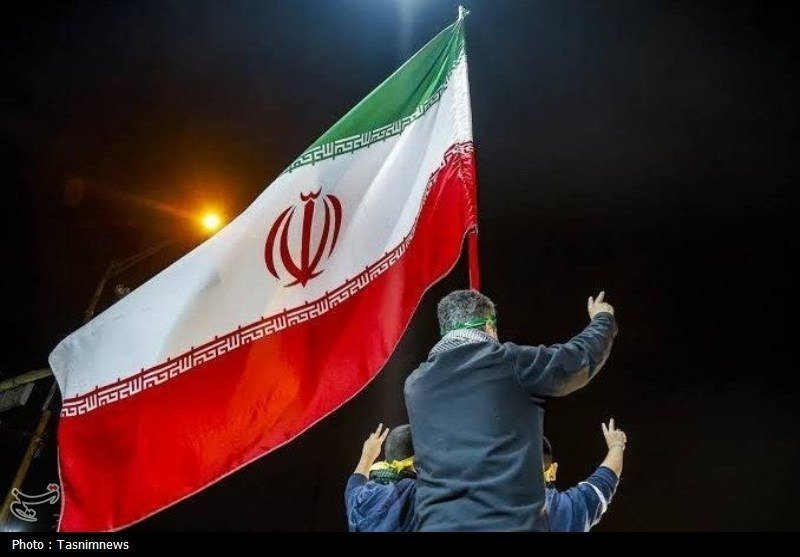
At 07:39 UTC on 14 June 2026, Al Jazeera English's live coverage of the Iran war recorded a split-screen moment. President Donald Trump, speaking from Washington, said a deal to end the war with Iran would be signed on Sunday. Within the same hour, Tehran pushed back on the timing, insisting the diplomatic track was not yet ready to be formalised. That gap — a presidential certainty on one side, an Iranian denial of pace on the other — is now the story.
The negotiation has been framed, in shorthand, as a deal that would reopen the Strait of Hormuz and pull the world's most consequential energy chokepoint back to commercial operation. The market logic is straightforward: with roughly a fifth of seaborne crude normally transiting the strait, even a credible path to de-escalation changes the forward curve. The diplomatic logic is more difficult. Two governments that do not currently maintain embassies do not sign binding instruments casually, and Iran is the regional power that has absorbed more than 100 days of open war without conceding its nuclear file.
The shape of the first stage
The reporting from Al Jazeera on day 107 of the war describes what is on the table as a first-stage arrangement, not a comprehensive settlement. That is a meaningful distinction. A first-stage package, in the playbook of US–Iran diplomacy, freezes the most escalatory steps on both sides, buys verification time, and defers the structural questions — enrichment capacity, missile programme, regional proxy networks, sanctions architecture — to a later round. It is also the kind of arrangement most likely to leak before it is signed, because the parties need to sell it to constituencies at home before they put their names to it.
Tehran's pushback on Trump's Sunday deadline, as carried by Al Jazeera English's live blog, fits that pattern. A government that has fought a 107-day war does not want to be seen accepting a presidential press-conference timetable. Iran's read is that the substance of a deal matters more than the calendar; the United States' read, at least in Trump's telling, is that the moment has arrived. Cointelegraph's market-side coverage captured the wager plainly: a deal that reopens the Strait of Hormuz would, in the words of analyst Michaël van de Poppe, "likely send liquidity back to risk-on assets such as cryptocurrencies." Crypto traders, in other words, are pricing the strait, not the enrichment question.
The Israeli cabinet, the Gulf monarchies, and the silence from Riyadh
The third element in the picture sits in Jerusalem. According to The Cradle, citing Israeli media, the Israeli security cabinet will convene on Sunday evening to discuss the agreement under negotiation between Washington and Tehran. That meeting is not procedural. Israel is the only regional actor with both the intelligence reach and the political latitude to act unilaterally against Iranian nuclear and missile infrastructure, and it has been a loud sceptic of any deal that freezes rather than dismantles the programme. The security cabinet's posture — endorse, demand amendments, or reserve the right to act — will set the de facto ceiling on what Washington can sell to Tehran.
What is conspicuous in the source material is the absence of a single, named Gulf Cooperation Council (GCC) statement on the deal. The reporting cluster from 14 June surfaces US, Iranian, and Israeli angles; Saudi, Emirati, and Qatari commentary is not in the wire. That silence is itself a signal. The Gulf monarchies were the loudest regional cheerleaders for the 2023 China-brokered rapprochement with Iran, and they are now the regional actors with the most to lose from a deal that either (a) frees Iranian oil back into a market they have been filling, or (b) collapses and pulls the region back toward escalation. Until Riyadh or Abu Dhabi speaks on the record, the assumption that a US–Iran deal can be regional is premature.
The strait as the actual deliverable
The diplomatic narrative is about enrichment, inspections, and a possible cap on missile development. The economic narrative is about the Strait of Hormuz. That is the deliverable markets will price first. The strait, roughly 33 nautical miles wide at its narrowest, is the chokepoint through which the bulk of Gulf crude and LNG reaches Asian buyers; even partial closure, or the credible threat of it, is enough to spike insurance rates and reroute cargoes. Cointelegraph's reporting treats the deal as a binary for risk assets: signed, the strait reopens and the risk-on bid returns; unsigned, the status quo of war premium and shipping-cost overhang holds.
This is the structural frame the headline often misses. A US–Iran deal, in 2026, is not principally a non-proliferation instrument. It is a chokepoint-rerating instrument. The United States wants sanctions enforcement plus a stable oil price. Tehran wants sanctions relief plus a path to export revenue. Both sides can sign a freeze in those terms. What neither side can sign is the marginal behaviour of every tanker captain and refinery buyer in Fujairah and Singapore, and that is what the deal actually has to deliver.
Stakes, and what remains genuinely uncertain
If a first-stage deal is signed, the near-term winners are legible: Iranian oil revenue begins to flow into a sanctioned economy that has been burning reserves; US shale and Gulf producers get a clearer price signal; Asian importers — China, India, South Korea, Japan — see insurance premia fall. The near-term losers are also legible: Israeli security planners lose the permissive environment for unilateral action against Iranian assets, at least for the duration of the deal; Russian and Venezuelan budget planners lose a competitor advantage they have enjoyed while Iranian crude was offline; and the Iranian reformist political coalition that has staked its position on a diplomatic outcome is now on the hook to deliver economic relief to a population that has lived under wartime conditions for more than three months.
What the source material does not resolve is the part of the picture that matters most. The Israeli security cabinet's response, after its Sunday evening meeting, is not yet on the wire. Tehran's specific objections to the Trump-announced timeline have not been substantively explained. The Gulf states' posture is unrecorded. And the verification architecture — who inspects what, on what cycle, with what enforcement teeth — is the kind of detail that, in past US–Iran negotiations, has been the precise point at which first-stage deals either held or quietly expired.
The honest read on 14 June 2026 is that the deal is closer than it has been since the war began, and that "closer" is not the same as "signed." Until the Israeli cabinet speaks, until Tehran's negotiators stop disputing the calendar, and until the Strait of Hormuz sees insurance rates fall in real time, the markets pricing in a peace dividend are pricing a wager, not a fact.
This publication framed the story around the gap between Trump's Sunday claim and Tehran's timing dispute, foregrounding the Israeli security cabinet's evening meeting as the decisive near-term variable. Most Western wires led with the presidential statement; the structural read is that the chokepoint, not the communiqué, is what the deal is actually buying.
Wire provenance
This editorial synthesis draws on the following public wire/social posts:
- https://t.me/aljazeeraglobal/188001
- https://t.me/aljazeeraglobal/188011
- https://t.me/thecradlemedia/29301
- https://t.me/theCradleMedia/29302
- https://t.me/aljazeeraglobal/188021