Hormuz, nuclear dismantlement, and the limits of a 'fantastic' deal: parsing the US-Iran framework
A framework is on the table. Washington says Iran will reopen Hormuz 'with no tolls' and dismantle its nuclear program. Tehran has not confirmed the timing, and two issues reportedly remain open.
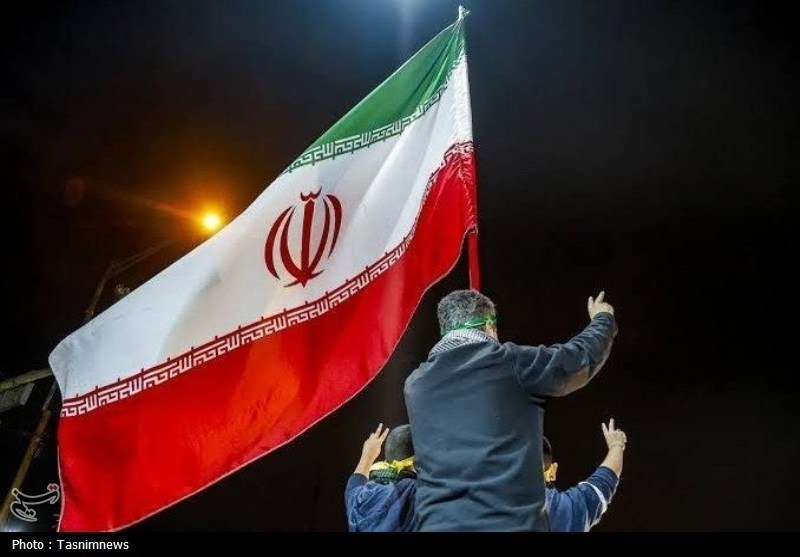
At 23:59 UTC on 13 June 2026, Fox News quoted a senior US administration official describing the proposed agreement with Iran as "fantastic and very strong." Within minutes, an Iranian official told DropSite News that two issues remained unresolved, and that the deal's fate depended on the US position on those points. The gap between the two accounts — one celebratory, one guarded — defines where the Hormuz framework actually stands.
The reported shape is consequential on its own terms. A senior US official told Fox that the framework would require Iran to reopen the Strait of Hormuz "with no tolls," with the United States also lifting its naval blockade, according to summaries carried by GeoPolitical Watch and witnessed feeds. Earlier reporting summarised by unusual_whales on 12 June described a wider set of terms: the destruction and removal of nuclear material, the dismantling of Iran's nuclear program, the withholding of funds until compliance is verified, and the reopening of the strait. President Donald Trump has said an agreement is set for Sunday. Middle East Eye, citing Trump's remarks on 13 June, noted that Tehran had not yet confirmed the timing.
What Washington is claiming
The US framing, as relayed to Fox, is built on three pillars. First, Iran would relinquish the de facto control it has exercised over the Strait of Hormuz in recent months, opening the waterway to commercial traffic without the tolls or restrictions that have periodically disrupted tanker movement. Second, the nuclear file would be closed in a verifiable way: destruction and physical removal of fissile material, dismantling of enrichment and weapons-related infrastructure, and a financial architecture that withholds released funds in escrow until compliance is independently confirmed. Third, the naval pressure that the US has maintained in the Gulf would ease in step with Iranian compliance, producing a managed de-escalation rather than an abrupt pullback.
That is the maximalist version. The Iranian counter-narrative, even from officials willing to talk to Western outlets, is more cautious. The DropSite briefing indicates that at least two substantive issues are still on the table, and that Iranian acceptance is conditional on the US position. The Ministry of Foreign Affairs has not issued a public confirmation matching the White House timeline.
What Tehran is saying — and not saying
The asymmetry in messaging is itself the story. A US official briefed Fox in terms designed to lock in a public narrative of inevitability. An Iranian counterpart, speaking to a smaller outlet on background, narrowed the dispute to two specific points. The pattern is familiar from earlier rounds: Washington tends to declare momentum, Tehran tends to reserve judgment, and the gap between the two is filled by analysts who have to choose whom to believe. The Middle East Eye line — that Trump has announced Sunday but Iran has not confirmed — is the honest summary of where things actually sit at 23:00 UTC on 13 June 2026.
The conditional language matters because Hormuz is not a symbolic file. Roughly a fifth of globally traded oil transits the strait, and any arrangement that leaves its management ambiguous is a risk the energy market will price in real time. Iranian officials have, in past cycles, used the lever of partial closure to extract concessions; a deal that swaps that lever for cash and sanctions relief changes the regional balance of risk in a way that Gulf states, Israel, and major Asian importers are all already pricing.
The structural frame
The interesting question is not whether the deal is good or bad in the abstract. It is what kind of deal a US administration is willing to sign in 2026, given the cost of the pressure campaign that produced it. A framework that demands destruction and physical removal of nuclear material, escrow-based financial release, and unconditional Hormuz access is closer to the maximalist end of the spectrum than to the JCPOA template of a decade ago. Whether Tehran will accept those terms in full, and whether the verification regime can survive a change of administration in Washington, are the two questions that will determine whether the Sunday deadline holds.
There is a second structural point. Deals announced by one side and not yet confirmed by the other have a way of slipping. The Iranian official's reference to "two outstanding issues" is a signal that the negotiation is not, despite the White House framing, in its final phase. It is in the phase where the remaining items are usually the hardest.
What remains uncertain
The sources disagree on the most basic questions of timing and substance. Fox's senior US official described the agreement as "fantastic and very strong." Middle East Eye reports that Trump has named Sunday for the announcement while Iran has not confirmed it. DropSite's Iranian source says two issues remain open. The unusual_whales summary of 12 June describes the nuclear and Hormuz terms in detail but does not identify the verification authority or the escrow mechanism that would govern fund release. None of the available reporting specifies which states would be involved in monitoring compliance, what the snapback triggers would be, or how the naval blockade would be sequenced against Iranian reciprocal steps. Until those details are public, the framework is best read as an outline rather than a treaty — closer to a negotiating position than to a settled accord.
This publication treats US-Iran negotiations as a live file, not a closed one. The framework's terms are reported; its confirmation is not.
Wire provenance
This editorial synthesis draws on the following public wire/social posts:
- https://t.me/GeoPWatch
- https://t.me/wfwitness
- https://t.me/GeoPWatch