The Strait of Hormuz Standoff: Energy Chokepoints and the Limits of Coercion
The Strait of Hormuz has effectively closed for commercial traffic, sending energy markets into a holding pattern. A phone call between Starmer and Trump underscored the urgency. But Tehran's negotiating posture—and a proposed law granting its military authority over the waterway—suggests the crisis is as much a test of leverage as it is a logistical disruption.
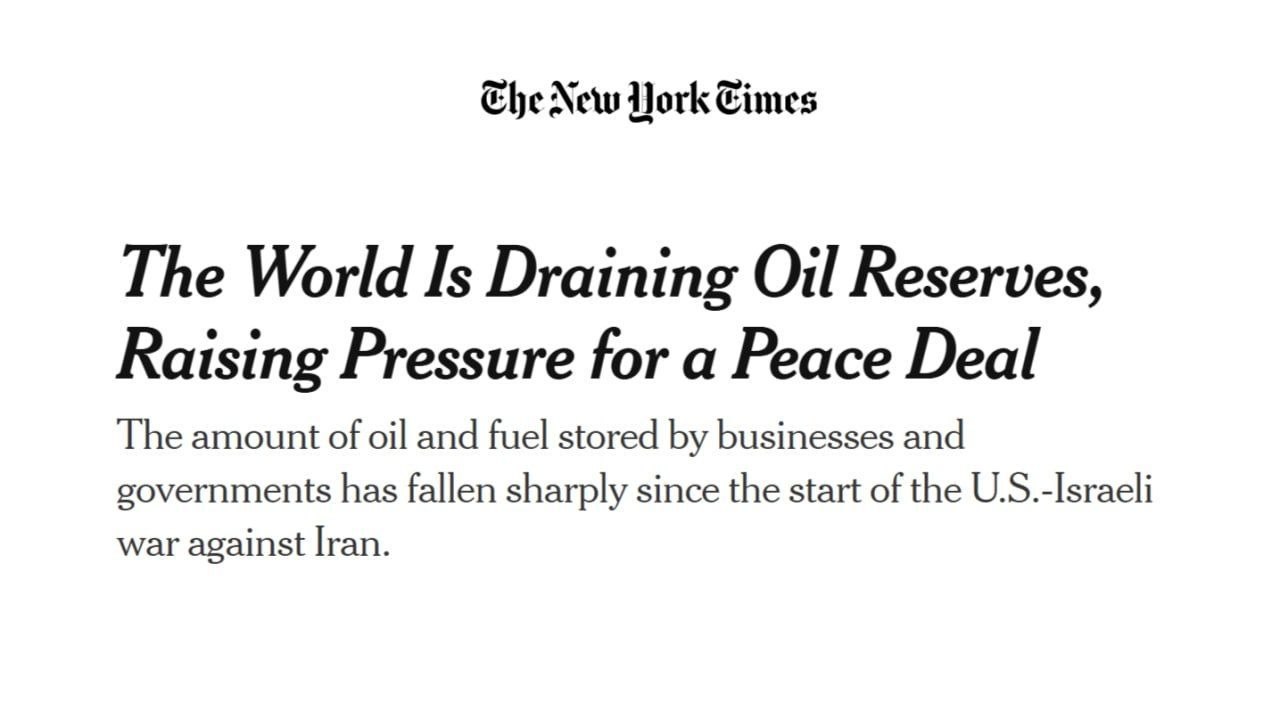
Commercial shipping through the Strait of Hormuz has effectively ceased, according to a Bloomberg assessment carried on 27 April 2026. The channel—narrowing at its throat to some 34 kilometres between Oman and Iran—handles roughly a fifth of global oil trade and a significant share of liquefied natural gas flows. Ships that would normally transit the waterway in convoys are now anchored off Fujairah and at other regional holding points, waiting for clarity. The disruption is not yet a complete physical blockage, but the practical effect for commercial operators is the same: the strait is closed enough to matter.
That assessment set the immediate context for a phone call later the same day between British Prime Minister Keir Starmer and United States President Donald Trump. The two leaders discussed, in the phrasing carried by news wires, the "urgent need" to reopen the waterway. The language reflected the shared concern in London and Washington that a sustained disruption would transmit rapidly into energy prices already navigating a turbulent global environment. For Starmer's government, the priority is straightforward: protect British consumers and businesses from a price shock that would compound existing pressures on household finances. For the Trump administration, the calculus is both economic and strategic—the Strait of Hormuz has long been a locus of American naval presence, and its disruption forces a reckoning with the limits of that presence when a regional actor chooses to act.
Tehran's Conditional Offer
Iran's Islamic Republic News Agency and state-adjacent outlets have carried a proposal reportedly put forward by Tehran: the Strait of Hormuz could reopen if nuclear negotiations with Western powers are postponed. The offer, datelined 27 April 2026, frames the strait's disruption as a bargaining chip rather than an autonomous act of coercion. Iran is signalling that it possesses something the West wants—the free flow of energy through one of the world's most critical maritime chokepoints—and that retrieving that flow requires a concession on a separate track entirely.
The nuclear talks in question are those between Iran and the so-called P5+1 (the United States, United Kingdom, France, Germany, Russia, and China), which have proceeded in fits and starts since the collapse of the original Joint Comprehensive Plan of Action in 2018. Whether the current negotiations represent a genuine diplomatic opening or a protracted holding action remains contested in Western policy circles. What is not contested is that Iran has decided the time is right to link the two issues explicitly. The proposal, if genuine, suggests Tehran's leadership believes it has sufficient leverage to extract a price—and that waiting while talks proceed without concessions serves Iran's interests less than making the strait's disruption the price of continued negotiation.
The counter-argument from Western capitals will be familiar: rewarding the disruption incentivises its repetition. Accepting a postponement of nuclear talks in exchange for restoring commercial shipping would, in this reading, teach Tehran that energy chokepoints are an effective instrument for extracting diplomatic concessions. That argument has force. But it runs against the structural reality that Iran occupies the geographic throat of the global energy system, and that no amount of naval posturing in the Gulf changes that underlying geography. The chokepoint exists because of Iran's coastline; the leverage follows from that geography.
The Military Authority Bill
Complicating the picture further, a proposed law circulating in Tehran would grant Iran's military explicit authority over the Strait of Hormuz. Middle East Eye reported on 27 April 2026 that a senior Iranian official confirmed the proposal, describing it as an assertion of the Islamic Republic's right to exercise control over the waterway. The timing—while commercial shipping backs up in regional waters and while the nuclear talks are in play—reinforces the reading that the legislative move is a negotiating instrument rather than an operational plan. An Iran with a law on its books asserting military authority over the strait enters any diplomatic conversation with a more formal claim to the leverage it has always possessed geographically.
Whether the bill reflects a genuine shift in Tehran's thinking about military posture, or whether it is political theatre aimed at domestic and international audiences simultaneously, is a question the available reporting does not resolve. What is clear is that the proposed law changes the framing of any Western demand for the strait's reopening. The demand is no longer simply for Iran to refrain from disrupting traffic; it is for Iran to refrain from asserting a legal claim it has now codified. That is a harder ask, politically, both in Tehran and in the Western capitals that would need to accept the modified status quo.
Energy Markets and the Price of Uncertainty
The practical consequences of the Hormuz disruption will be felt first in energy markets. Brent crude has been tracking the escalation since early reports of Iranian naval activity in the Gulf, and traders are pricing in a sustained premium for Gulf-origin crude as long as the strait remains effectively closed. The Strait of Hormuz is not merely a transit point—it is an artery. Oil loaded in Saudi Arabia, the UAE, Kuwait, and Iraq flows through it toward Asian markets primarily, but also toward European refineries that rely on Gulf feedstock. An extended closure would force operators to reroute—south around the Horn of Africa, or north through the Suez Canal and the Sumed pipeline in Egypt—adding weeks to transit times and meaningful cost to every barrel that takes that detour.
The secondary effects extend beyond crude. Liquefied natural gas carriers from Qatar, the world's largest LNG exporter, transit the strait when bound for Asian markets; a sustained disruption would tighten an already competitive LNG market where Asian demand has been drawing cargoes away from European buyers throughout 2025 and into 2026. The interaction between crude and LNG market dynamics—combined with existing concerns about European gas storage levels heading into the warmer months—means the Hormuz closure carries systemic risk that extends beyond a single commodity.
Stakes and the Path Ahead
The immediate stakes are price and supply for energy importers. Asian buyers—South Korea, Japan, and China among them—are watching the situation closely, as they have limited short-term alternatives to Gulf crude and LNG. China, in particular, has maintained a studied neutrality on the broader US-Iran tension, and its response to the strait's disruption will be shaped by how it reads the probability of a negotiated reopening versus a prolonged standoff.
For Western governments, the challenge is not primarily military. The US Fifth Fleet maintains a substantial presence in the Gulf, and the Biden and then Trump administrations have both signalled that freedom of navigation is a non-negotiable principle. But that principle runs up against the geographic and legal reality that Iran sits astride the chokepoint, and that any military response carries risks—escalation, wider regional conflict, disruption to allied shipping—that may outweigh the cost of the disruption itself. The Starmer-Trump call reflects a shared recognition that diplomacy is the preferred instrument, even if the terms of a diplomatic off-ramp remain undefined.
The structural pattern here is not new. States with effective control over critical infrastructure—whether through geography, legal claim, or operational capacity—have historically used that control as leverage in disputes with more powerful adversaries. The Suez Canal closures of 1956 and 1967 offer partial precedents: in both cases, a chokepoint's disruption forced major powers to negotiate rather than simply compel. What distinguishes the current Hormuz situation is that Iran is acting from a position of geographic necessity—the strait matters to the world precisely because of where Iran sits—rather than from a position of surplus. Tehran is not holding a resource it can do without; it is asserting control over one it cannot be bypassed for.
Whether the current crisis resolves through a compromise on the nuclear talks, through external pressure that Iran calculates is unsustainable, or through some other mechanism the public record does not yet reveal, the underlying dynamic will persist. The Strait of Hormuz will remain a chokepoint, Iran will remain the state that sits beside it, and the international system's reliance on unimpeded energy transit will remain a vulnerability that regional actors can exploit. The closure of 27 April 2026 is a data point in a longer pattern, not an anomaly.
This desk covered the Hormuz closure as an energy security and chokepoint diplomacy story, foregrounding the structural asymmetry between Iran's geographic position and Western naval presence. The wire framing prioritised the Starmer-Trump call; this article foregrounded Tehran's negotiating posture and the proposed military authority bill as equally operative facts.
Wire provenance
This editorial synthesis draws on the following public wire/social posts:
- https://x.com/unusual_whales/status/1915245374283874407
- https://x.com/polymarket/status/1915289473829617747
- https://x.com/polymarket/status/1915262893915832646
- 30 AprIran's Hormuz Gambit: How Tehran's Closure of the World's Most Strategic Oil Chokepoint Became the Lever in Nuclear Talks
- 29 AprHormuz Standoff: How a Strategic Chokepoint Became the Front Line of US-Iran Diplomatic Brinkmanship
- 28 AprHormuz Blockade Tests Tehran's Diplomatic Leverage as West Presses for Reopening
- 28 AprThe Strait of Hormuz Gambit: How Tehran Is Weaponising the World's Most Critical Oil Chokepoint
- 27 AprIran's Hormuz Gambit: Tehran Plays the Strait card While the World Waits