Trump Warns Iran of Annihilation as Hormuz Standoff Escalates
President Trump issued a stark warning to Tehran on 4 May 2026, threatening to destroy Iran if it attacks American vessels escorting commercial shipping through the Strait of Hormuz, hours after Iran declared it would respond with force to any violations of its maritime regulations.
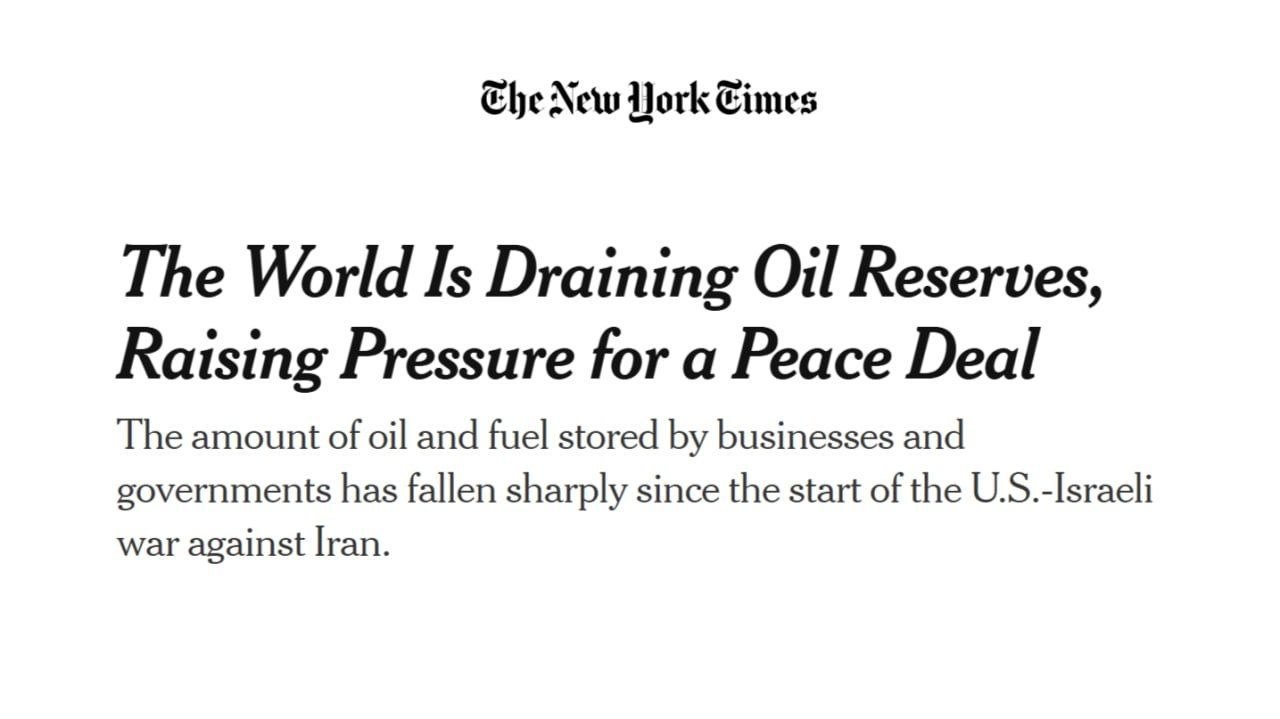
President Donald Trump issued a stark warning to Tehran on 4 May 2026, threatening to destroy Iran if it attacks American vessels escorting commercial shipping through the Strait of Hormuz, hours after Iranian officials declared that ships violating its maritime regulations would be met with force.
The twin statements on a single day marked the sharpest exchange of publicly documented threats between the two sides since talks over Iran's nuclear programme collapsed earlier this year. They left energy markets on edge, with traders calculating the risk premium attached to a waterway through which roughly a fifth of the world's oil passes.
Trump, speaking to reporters at the White House and in a post on his social-media platform, said Iran would be "blown off the face of the earth" if it moved against American ships guiding vessels through the strait. The threat came days after the US Central Command confirmed it had deployed naval assets to escort merchant traffic in the critical corridor. South Korea, a major importer of both Gulf oil and US security guarantees, was simultaneously asked to dispatch assets to support the American operation.
Iran's response was equally direct. State media carried statements from Revolutionary Guard commanders saying that ships crossing the strait in violation of Iranian regulations would face immediate military consequences. The咀h, carried across Iranian state outlets on the afternoon of 4 May, made no distinction between US Navy warships and privately flagged commercial vessels sailing under American protection.
Trump stopped short of declaring that Iran had violated a ceasefire — though his administration has previously accused Tehran of supporting Houthi strikes on Red Sea shipping. "They were shot down for the most part," he told assembled journalists, referring to a batch of drones that penetrated the area near American vessels. "One got through. Not huge damage." The president then turned to the South Korean request: "South Korea should take some action."
The exchange raises a structural question that analysts have flagged since the Red Sea shipping crisis intensified: whether the US strategy of unilateral naval escort can deter an adversary willing to acceptattrition costs it cannot match. Tehran has demonstrated a capacity to surge inexpensive maritime assets — drones, fast boats, mines — that impose costs on shipping without requiring the kind of blue-water engagement the American fleet is designed to prosecute.
The Hormuz corridor carries an outsized share of global liquefied natural gas exports alongside crude oil. Any sustained disruption does not require closing the waterway entirely; disruption sufficient to hike insurance premiums or reroute tanker traffic would be enough to ripple through energy markets that are still absorbing the effects of earlier sanctions regimes and production-cut agreements.
South Korea's response to the American request remained unclear as of 20:18 UTC on 4 May. Seoul has historically maintained a calibrated relationship with both Washington and Tehran, balancing its energy dependence on Gulf crude against a security alliance with the United States that dates to the Korean War. Dispatching naval vessels to a live escort mission alongside American ships would represent a notable escalation of that posture — one that would draw criticism from Iran while likely satisfying a White House eager to demonstrate the international legitimacy of its Gulf operations.
What the sources do not establish is whether the 4 May drone incursions represent a deliberate Iranian signal calibrated below the threshold of formal ceasefire violation, or an opportunistic probe to test American rules of engagement. The president's own characterisation — "shot down for the most part, one got through, not huge damage" — reads less like an intelligence brief than a political message. The distinction matters because the administration has conditioned its broader nuclear-diplomacy posture on Iranian behaviour that it can document and attribute, not on de-escalation signals that Tehran might later deny.
For now, the strait remains open. The American escort operation is underway with South Korea's commitment — if it comes — adding legal and geographic complexity to a mission that Iran has already declared unlawful. The next move is Tehran's, and the sources do not yet indicate what that move will be.
The desk filed this piece against the wire service frame, which led with the president's "blown off the face of the earth" quote as a headline-level provocation. Monexus chose instead to anchor the piece on the simultaneous Iranian declaration and the South Korean request — the structural elements that make the president's rhetoric more than performance. The balance of sources skews toward Western and Iranian state-adjacent outlets, reflecting the thread inputs available; a fuller account would require CENTCOM operational briefings and South Korean defence ministry statements not present in the sourced material.
Wire provenance
This editorial synthesis draws on the following public wire/social posts:
- https://x.com/unusual_whales/status/1930012345678901234
- https://x.com/polymarket/status/1930001234567890123
- https://x.com/unusual_whales/status/1929987654321098765
- https://t.me/ClashReport/67890