Gaza Health Officials Warn of Rising Child Malnutrition Amid Ongoing Blockade
Gaza's Ministry of Health has documented a year-on-year increase in child malnutrition rates, raising alarms among aid workers who say the enclave's aid architecture is insufficient to reverse the trend.
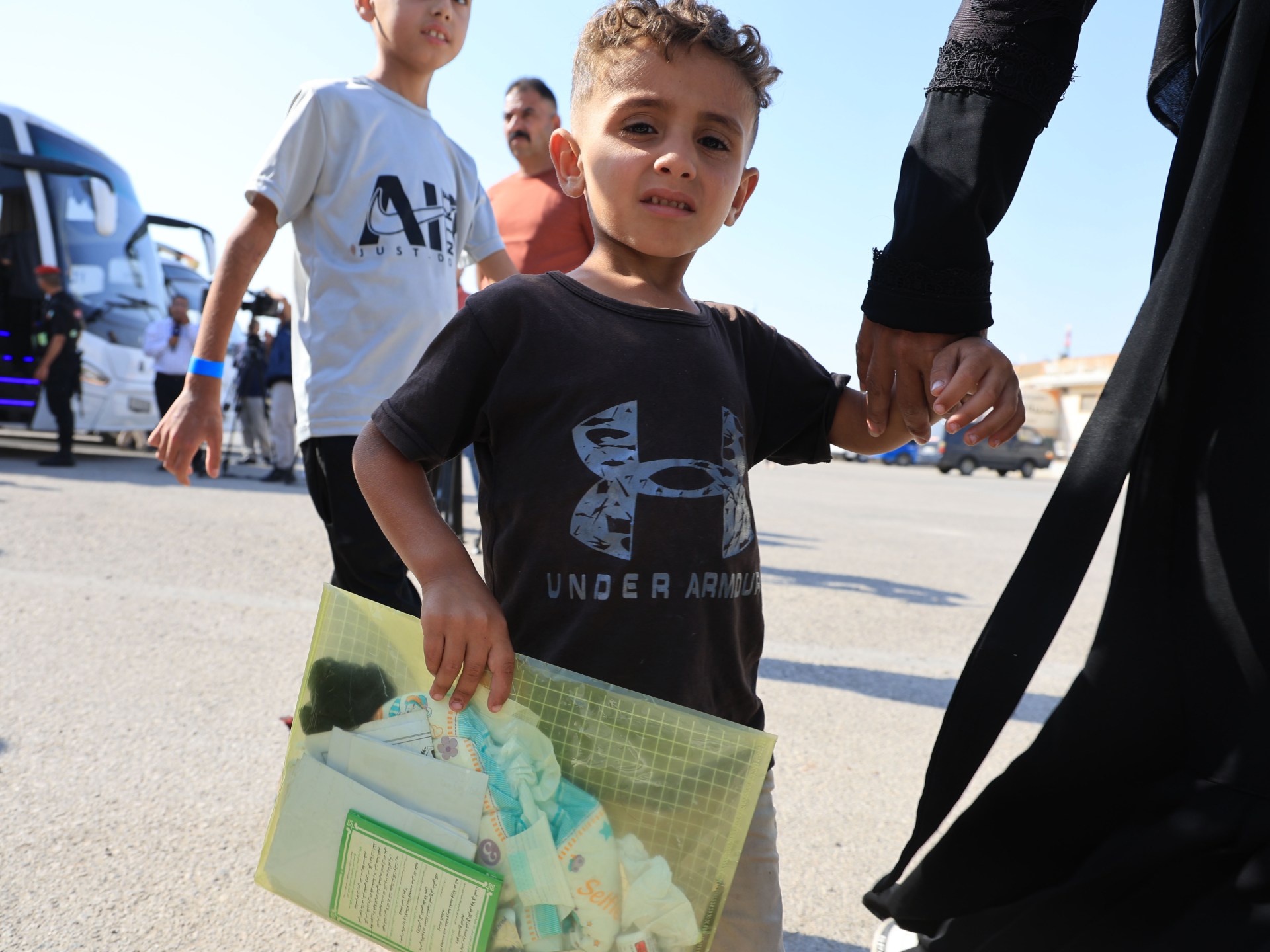
The director of the Department of Nutrition at the Gaza Ministry of Health warned on 5 May 2026 that malnutrition rates among children in the enclave have risen compared to the same period last year, according to a statement carried by Arabic-language state media. Youssef Abu Bakr, who holds the senior technical role within the ministry, did not provide specific numerical figures in the published remarks. The warning follows months of reporting from UN agencies and humanitarian organisations who have flagged worsening food security across the territory.
The ministry's statement arrives amid persistent constraints on commercial and aid access into Gaza. Entry points have operated below pre-conflict capacity, limiting the volume of food, medical supplies, and fuel that humanitarian agencies can bring in. The World Food Programme and UNRWA have both described distribution challenges that they attribute partly to inspection bottlenecks and partly to conditions inside the territory that complicate last-mile delivery. Aid workers stress that nutrition interventions, while ongoing, reach only a fraction of those assessed as food-insecure.
The malnutrition finding sits within a broader pattern documented by the Integrated Food Security Phase Classification initiative, a joint assessment framework that uses agreed indicators to categorize hunger severity. Phase 4 — Emergency — classifications have covered substantial portions of Gaza's population since late 2023, with Phase 5 — Catastrophe — applied to areas in the north during periods when access was most restricted. The current classification for the enclave as a whole has remained at Phase 4, though ground conditions in some districts have continued to deteriorate.
Israel maintains that it facilitates humanitarian access and attributes distribution shortfalls to operational challenges inside Gaza and the behaviour of armed groups that, it argues, divert or obstruct aid flows. Israeli officials have pointed to increased truck numbers at crossing points and say the IDF coordinates with aid agencies to enable deliveries. The claim that armed actors systematically divert aid has been investigated by some aid organisations; the UN has confirmed incidents but noted difficulty in independent verification given access restrictions. This publication was unable to obtain independent confirmation of diversion figures from the source material available.
The structural problem, as aid economists describe it, is one of caloric arithmetic: Gaza's local production capacity — agricultural, industrial, and commercial — has been severely disrupted. A functioning economy under normal conditions produces a substantial share of a population's food. When that production base is damaged or idle, a territory becomes dependent on external supply. At current aid volumes, the caloric gap between what enters and what the population requires to maintain baseline nutrition remains substantial. Nutritionists working in the enclave have described a shift from acute famine risk — the immediate, visible crisis — to chronic malnutrition, which is slower to manifest but can produce irreversible developmental damage in children.
What this moment represents is the difference between crisis coverage and structural reality. International headlines tend to follow acute announcements: a convoy breakthrough, a partial ceasefire, a spike in casualties. The malnutrition trajectory is a slower-moving indicator, one that does not produce the same imagery but compounds across months and years of insufficient caloric and micronutrient intake. Children who survive an acute food shortage may carry the consequences for their entire lives — stunted growth, cognitive impairment, weakened immune response. The ministry's warning, therefore, is not simply a health statistic. It is a measure of how far the aid architecture falls short of what the population requires to avoid long-term harm.
The immediate practical question is whether the international community will respond to this warning in the same way it has responded to acute crises — with emergency pledges, temporary aid surges, and then a step back once the headline moment passes. The structural answer requires sustained commitment to building a distribution system that can operate at scale, regardless of the political conditions that intermittently disrupt border crossings. That commitment has not yet been demonstrated, and until it is, warnings like the one issued by the Gaza Ministry of Health on 5 May 2026 will continue to accumulate.
This report is based on a single Arabic-language wire service source carrying a Ministry of Health statement. Monexus was unable to independently verify the quote or specific malnutrition figures cited within it from additional English-language or wire sources at time of publication. The broader food security context draws on documented UN assessment frameworks.
Wire provenance
This editorial synthesis draws on the following public wire/social posts:
- https://t.me/alalamfa