Arsenal Reach Champions League Final for First Time Since 2006 — and the Wait May Have Been Worth It
Arsenal's 2-1 aggregate victory over Atletico Madrid sends the Gunners to the Champions League final for the first time in two decades, and the manner of qualification raises serious questions about whether this squad is built for the occasion.
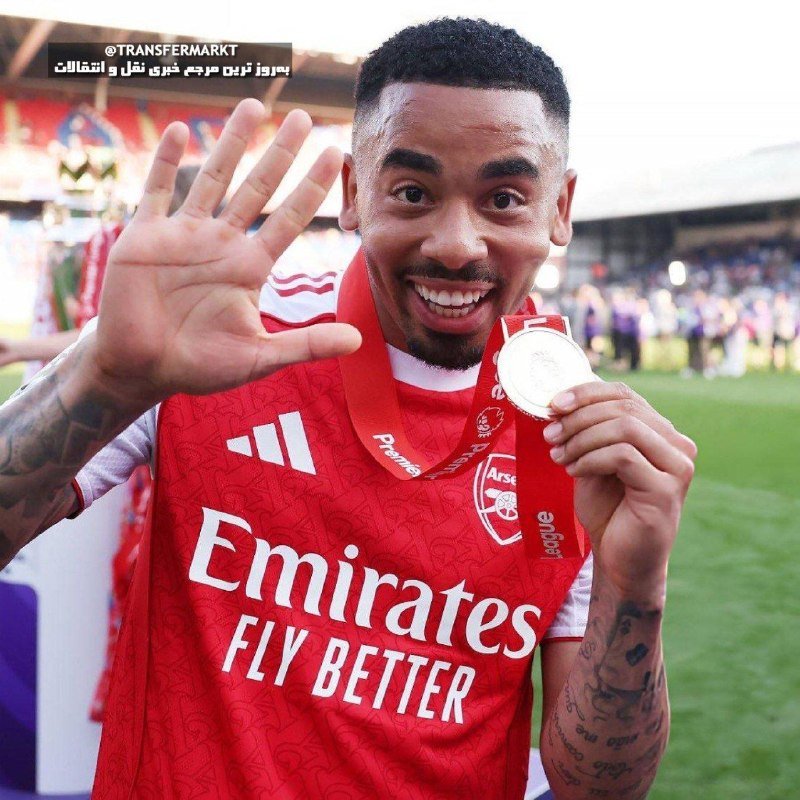
Arsenal are through to the Champions League final. The Gunners secured a 2-1 aggregate victory over Atletico Madrid on 5 May 2026, booking their first appearance in European football's premier club competition since the 2005/06 season — when they lost to Barcelona in Paris. The decisive moment came in first-half stoppage time of the second leg at the Emirates, with Bukayo Saka's strike handing Arsenal a lead they never surrendered across 90 minutes that followed.
The qualification resets a clock that many within the club had quietly stopped counting. For nearly two decades, Arsenal have been defined by what they could not do on this stage. The semi-final defeat to Roma in 2009, the Olympiacos exit in 2019, a string of last-16 eliminations that calcified into something resembling a psychological ceiling — each failure accumulated into a received wisdom that Arsenal's DNA was incompatible with the demands of deep Champions League runs. That narrative survived on inertia more than evidence. The squad that took the field against Atletico on 5 May 2026 is not the same institution that once shipped a 5-1 defeat to Bayern Munich and called it a learning experience.
A Night That Rewrites the Record Books
The specifics of the semi-final second leg matter. Arsenal travelled to the Metropolitano with a 1-0 first-leg deficit and produced the kind of collective performance that separates a strong side from one capable of winning knockout competitions. Saka's goal on the stroke of half-time — a composed finish after Arsenal had absorbed considerable first-half pressure — flipped the aggregate score and fundamentally altered the psychological terrain for the period that followed.
What happened in the 51st minute of that second leg has already become the reference point for how this Arsenal side responds under duress. The defense, which has been Arsenal's defining organizational feature across Mikel Arteta's three full seasons in charge, held firm at a moment when Atletico's momentum threatened to become a wave. A team that collapses under such pressure does not reach finals. Arsenal did not collapse.
The aggregate result — 2-1 to Arsenal across 180 minutes — tells a coherent story about the tie. The journey to that result was anything but linear. Atletico controlled periods of both legs. Saul Ñíguez and Antoine Griezmann both tested David Raya from positions that required the goalkeeper to produce his best reflexes. That Arsenal emerged from those passages with their aggregate lead intact is not luck. It is the residue of systematic defensive investment that Arteta has prioritized since his appointment in December 2019.
The Premier League Subplot That Makes This Different
The BBC's pre-match framing captured what distinguishes this run from Arsenal's previous European disappointments: the club is simultaneously fighting for the Premier League title. Unlike the mid-2000s sides that peaked in Europe while domestic league performance fluctuated, this Arsenal squad has demonstrated an ability to sustain competitive intensity across multiple fronts. The question is whether that double-header ambition is an asset or a structural liability heading into the final.
No English club has won both the Premier League and Champions League in the same season since Manchester United in 2007/08. The fixture congestion that Premier League participation demands — particularly in the final weeks of a title race — places physical and mental strain on squads that continental competitors, freed from the demands of a 38-game domestic league, do not carry. Real Madrid, whoever Arsenal face in the final, will not have parallel title-race commitments distracting their preparation.
The counter-argument is equally compelling: Arsenal's momentum is real. The psychological benefit of a Champions League final on the horizon — with everything that means for commercial appeal, recruitment leverage, and squad morale — may prove more valuable than whatever fatigue the schedule exacts in the intervening weeks. Finishing second in the league is not the same as reaching the European summit. The final is the priority, and the league title race can be managed accordingly.
What the Final Actually Tests
Reaching a Champions League final answers one question and immediately poses a harder one. The harder question is not about opponent scouting or tactical preparation. It is about whether Arsenal's institutional identity, shaped by two decades of falling short at this level, has fully recalibrated to the demands of winning at the highest tier.
Arteta has been deliberate in constructing a squad culture that prizes process over results. The Arsenal manager has repeatedly resisted language that frames domestic dominance as an entitlement rather than an achievement. That discipline has produced a team that plays within itself, that does not overextend, that recovers from setbacks rather than spiraling after them. Whether those qualities translate to a single 90-minute occasion against a likely elite opponent — Paris Saint-Germain, perhaps, or Inter Milan — is the test that this semifinal campaign could only defer, not answer.
The 2006 side that reached the final in Paris had Thierry Henry and Cesc Fàbregas. This side has Saka, Martin Ødegaard, and a defensive structure that has conceded fewer goals in European competition than any English club since the competition's expansion. The personnel comparison is not the point. The point is that Arsenal have been building toward an occasion like this for long enough that the occasion itself feels less like an arrival than a confirmation.
The Stakes Beyond the Final Whistle
If Arsenal win the final, the club's trajectory shifts irrevocably. Champions League revenue at this level — broadcast fees, commercial uplift, the recruitment signal that proximity to Europe's elite carries — compounds across subsequent transfer windows. The squad that Arteta has assembled is already capable of competing with Europe's established powers. A trophy would remove the asterisk that has followed every impressive result since 2020.
If Arsenal lose, the analysis changes register but not the underlying assessment. Reaching the final in 2026 is not the same as reaching it in 2012 or 2014, when the financial and structural gaps between Arsenal and genuine continental contenders felt wider. The semi-final victory over Atletico demonstrated that Arsenal have closed that gap. The final will determine what, if anything, remains between this squad and the summit.
The wait since 2006 has been long by the standards of a club with genuine ambitions. On 5 May 2026, it ended. What begins on 31 May — whenever and wherever UEFA stages the final — is a different question, and one Arsenal finally have the personnel and the occasion to answer.
Wire provenance
This editorial synthesis draws on the following public wire/social posts:
- https://t.me/TheAthletic/87234
- https://t.me/TheAthletic/87230
- https://t.me/TheAthletic/87228
- https://t.me/TheAthletic/87236