Ben Stokes Makes Red-Ball Return as England Captain Eyes Comeback
Ben Stokes returned to red-ball cricket on 8 May 2026 with Durham, taking two wickets in 11 overs on the opening day of their County Championship match against Worcestershire, a first competitive appearance since England's Ashes defeat.
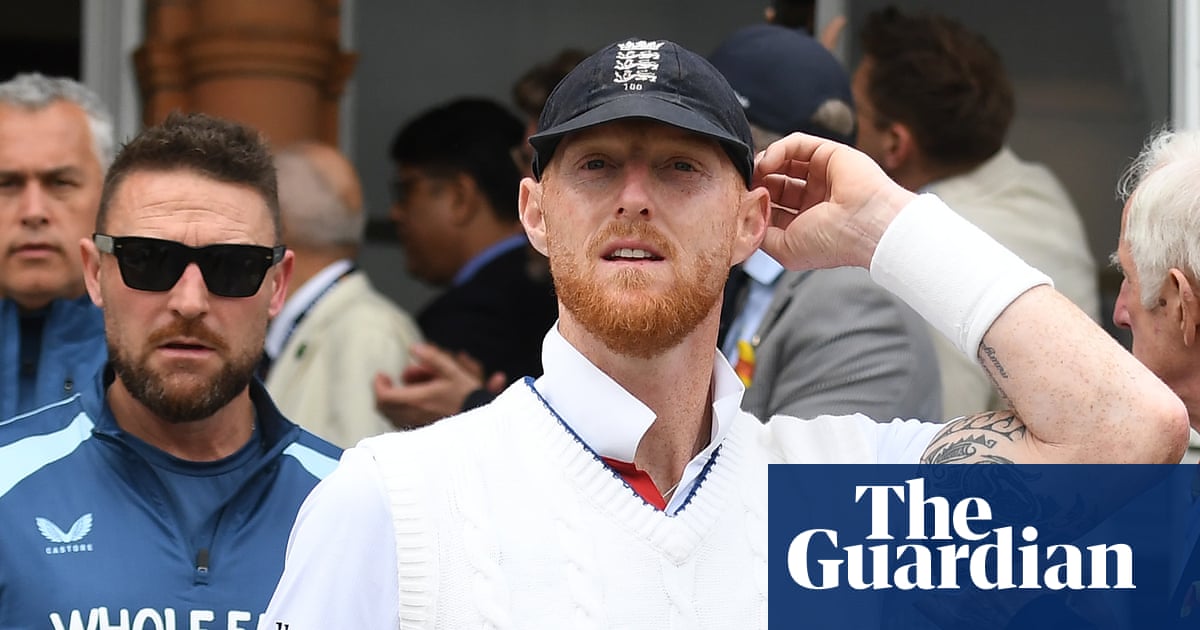
Ben Stokes marked his return to red-ball cricket with a pair of wickets on the first day of Durham's County Championship match against Worcestershire at New Road, Worcester, on 8 May 2026. The England Test captain, who had not played competitive cricket since the conclusion of England's Ashes campaign, took the new ball and returned figures of two for 28 in 11 overs, completing the dismissal of Worcestershire opener Ethan Price after eight deliveries in his first spell.
The performance came as England mount their rebuild following a winter of discontent Down Under. Stokes had not featured in any format since the conclusion of the Ashes series, a campaign that ended with England suffering a 3-1 series defeat in Australia. The 34-year-old all-rounder, whose availability for the County Championship fixture had been flagged by England management as part of an agreed return-to-play protocol, appeared notably leaner in his first competitive appearance of the season.
The truncated opening day at Worcestershire — the match began late due to local ground conditions — offered Stokes the kind of low-stakes environment England had signalled as the preferred entry point for his return. Rather than jumping directly into the international schedule, England and Durham agreed to a pathway that would allow Stokes to rebuild his bowling load and red-ball rhythm away from the pressure of white-kit scrutiny.
That Stokes struck with his eighth delivery of the match suggests the break has not eroded his instinct. Price, who had made 19 in Worcestershire's first-wicket stand, edged a delivery that moved late off the pitch, a dismissal pattern that will have drawn quiet satisfaction from England's hierarchy as they plan for the 2026-27 Border-Gavaskar Trophy tour of India. Winning in India remains the benchmark for this England side, and Stokes's leadership — both as captain and as a frontline bowler capable of generating reverse swing — is considered essential to any such achievement.
The broader context for his return is the squad overhaul England have undertaken since the Ashes conclusion. Several senior players were dropped or rested during the winter white-ball series, and the red-ball side has been remodelled around a younger core. Stokes's comeback introduces a different kind of question: not whether he still belongs, but how many overs he can bowl and whether his body will hold through a demanding summer schedule that includes a home series against New Zealand and a tour of Pakistan.
Durham's own position in the County Championship — they entered the Worcestershire fixture mid-table — offered a neutral backdrop. The match was not billed as a Stokes audition, but that framing was inevitable given the circumstances. How he manages his own load, how Durham use him across the early season, and whether he sustains the pace and movement that undid Price will be watched closely by England's selectors as they assemble the squad for the India tour.
There is, as yet, no public confirmation from England management about a specific match target for Stokes's readiness. What is clear from the available evidence is that both parties have agreed to a managed return, and that the England captain himself appears willing to accept whatever role the selectors determine. Whether that role is the frontline all-rounder role of 2022 or something more conditional on his fitness remains the central open question for the summer ahead.
The Monexus desk noted that wire coverage of Stokes's comeback focused primarily on his bowling figures and the brevity of his first wicket. This article supplemented those details with structural context around England's post-Ashes rebuild and the selectoral implications of his return for the India tour. The framing reflects this publication's interest in the governance dimension of squad management — how a captain returns, on whose terms, and what that signals about the balance of power between individual and institution.