Fifty Deaths in the Dark: Thalassemia Patients and the Collapse of Gaza's Health System
Fifty patients with thalassemia have died in Gaza since October 2023, out of a caseload of 334. The Gaza Ministry of Health says the cause is a combination of medication shortages, blood supply failures, and the broader collapse of a healthcare system under siege.
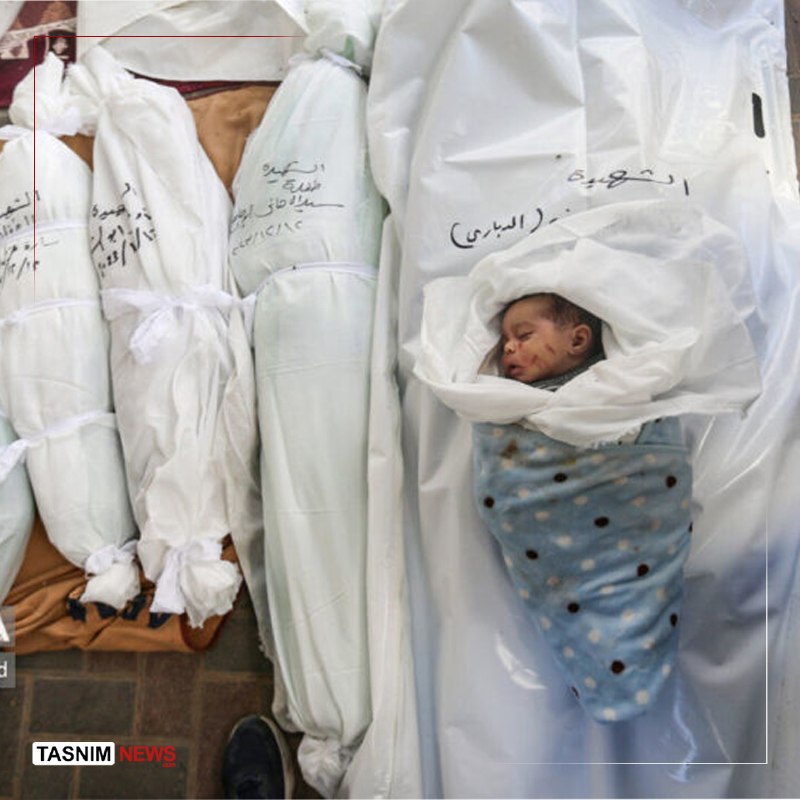
Fifty patients with thalassemia have died in Gaza since the October 2023 escalation, the enclave's Ministry of Health reported on 9 May 2026. Of the 334 registered thalassemia patients inside the strip, roughly one in seven is now dead. The Ministry cited a convergence of causes: the systematic shortage of chelation medications needed to filter iron from the blood, the collapse of the blood bank network, and the broader degradation of a health infrastructure under sustained pressure.
The deaths represent a category of loss that international health monitors have flagged since the first months of the war but that has received limited coverage in Western wire reporting. Thalassemia is an inherited blood disorder requiring regular transfusions and daily iron-chelation therapy to prevent organ failure. Patients who miss treatment do not simply feel unwell — they accumulate iron in the heart, liver, and endocrine system, with fatal consequences typically within months of treatment interruption.
A Treatable Condition Turned Lethal
Thalassemia has a specific epidemiology in the eastern Mediterranean. The mutation persists at elevated rates across the region — in Gaza, in Lebanon, in parts of Syria — because carriers historically benefited partial protection against malaria. Within Gaza, the patient population of 334 had been built up over years of a functioning health system: a thalassemia centre in Gaza City, regular transfusion appointments, and a supply chain for the iron-chelating drug deferasirox that, while imperfect under the blockade, had been sufficient to keep most patients alive.
That supply chain has not functioned reliably since late 2023. The Gaza Ministry of Health statement described the shortages not as intermittent disruptions but as sustained absence — medications not arriving for months at a time, blood units unavailable for compatible transfusions, and a patient cohort unable to access the monitoring needed to adjust dosing. The Ministry's figures carry the caveat that its communications from inside Gaza are made under conditions of restricted movement and intermittent communications, and its numbers cannot be independently cross-referenced against hospital records in the current environment.
The deaths are not, medically speaking, from an unknown cause. Thalassemia is treatable in any functioning health system with modest resources. The patients who died did so because the system ceased to function, not because the underlying condition was untreatable.
What the Numbers Cannot Tell Us
The Ministry of Health in Gaza has provided an aggregate figure — 50 deaths, 334 registered patients — without publishing individual names, dates of death, or hospital-level breakdowns. The sourcing caveat matters. Aggregate mortality statistics from inside Gaza during this period have been contested on methodological grounds by some international bodies, particularly regarding attribution. The 50 figure is specific to thalassemia patients, a defined and traceable cohort, which in principle makes it more verifiable than overall casualty tallies. But the communications environment makes granular cross-checking impossible for outside observers in real time.
What the numbers do convey is scale. A patient registry of 334 people with a serious hereditary condition, nearly all of whom were alive before October 2023, is a small population by the standards of mass casualty reporting. Its near-complete collapse is precisely the kind of quiet catastrophe that does not surface in front-page leads but represents a measurable and irreversible loss of life.
The WHO has previously documented interruptions in the entry of medical supplies into Gaza through its Logistics Cluster and health cluster reporting mechanisms. The deferasirox supply issue has been raised in closed UN briefing sessions, per accounts relayed by UN officials to wire correspondents covering the humanitarian response. The specific death toll among thalassemia patients had not been reported at scale in Western wire coverage before the Ministry's 9 May statement.
Structural Precedent: When Blockade Logic Meets Chronic Disease
The underlying dynamics are not new. Gaza's health system operated under a blockade that restricted the import of medications, medical equipment, and consumables for nearly two decades before the October 2023 escalation. Chronic disease patients — those requiring regular dialysis, insulin, chemotherapy, or chelation therapy — bore disproportionate risk during every prior episode of heightened restrictions. The pattern was documented by humanitarian organisations including Médecins Sans Frontières, the International Committee of the Red Cross, and the UN Office for the Coordination of Humanitarian Affairs across multiple escalation cycles between 2008 and 2023.
What changed after October 2023 was the intensity and duration of the infrastructure pressure. The Gaza Ministry of Health described its blood bank network as effectively non-functional in areas of active ground operation. Thalassemia patients require blood typed and cross-matched for their specific antibody profiles — a process requiring both reagents and consistent clinical staffing. Without a functioning transfusion service, the benefit of whatever chelation medication reached patients was significantly reduced.
The deaths of 50 thalassemia patients are not a separate event from the wider destruction of Gaza's health infrastructure. They are a measurable downstream consequence of it.
The Stakes and What Remains Unresolved
The surviving 284 registered thalassemia patients in Gaza remain in a condition of active medical need. The 9 May Ministry statement did not specify current treatment availability, but the framing — "amid ongoing shortages" — suggests the supply disruptions that contributed to the 50 deaths have not been resolved. Patients who have survived eighteen months of treatment interruption face cumulative organ damage that may not be immediately apparent but reduces long-term survival even if treatment resumes.
For the international humanitarian response, the thalassemia deaths represent a specific and identifiable gap: a defined patient cohort, a known treatment protocol, and a supply chain problem that is theoretically solvable through targeted medical exemptions in any ceasefire or humanitarian access arrangement. Whether that recognition translates into any change in access policy remains, at the time of reporting, an open question. The sources do not indicate any mechanism by which the thalassemia caseload is being prioritised in ongoing negotiations over humanitarian access.
The deaths of 50 named patients — the number itself is now a matter of public record, cited by the Gaza Ministry of Health on 9 May 2026 — serve as a marker of what the broader collapse of a health system costs, measured in individual lives that a functioning medical infrastructure would have saved.
This publication's reporting on Gaza's health infrastructure draws on Ministry of Health Gaza Telegram dispatches, UN OCHA humanitarian situation reports, and WHO logistics cluster data where available. Monexus has covered the broader destruction of Gaza's health system across multiple desk reports since October 2023.
Wire provenance
This editorial synthesis draws on the following public wire/social posts:
- https://t.me/gazaalanpa