The Business of Power Hitting: How Prop Markets Reshape MLB Fan Engagement
As sportsbooks sharpen their algorithms on sluggers like Julio Rodriguez, the line between fan engagement and speculative investment blurs. A look at how prop betting is reshaping baseball's relationship with its audience.
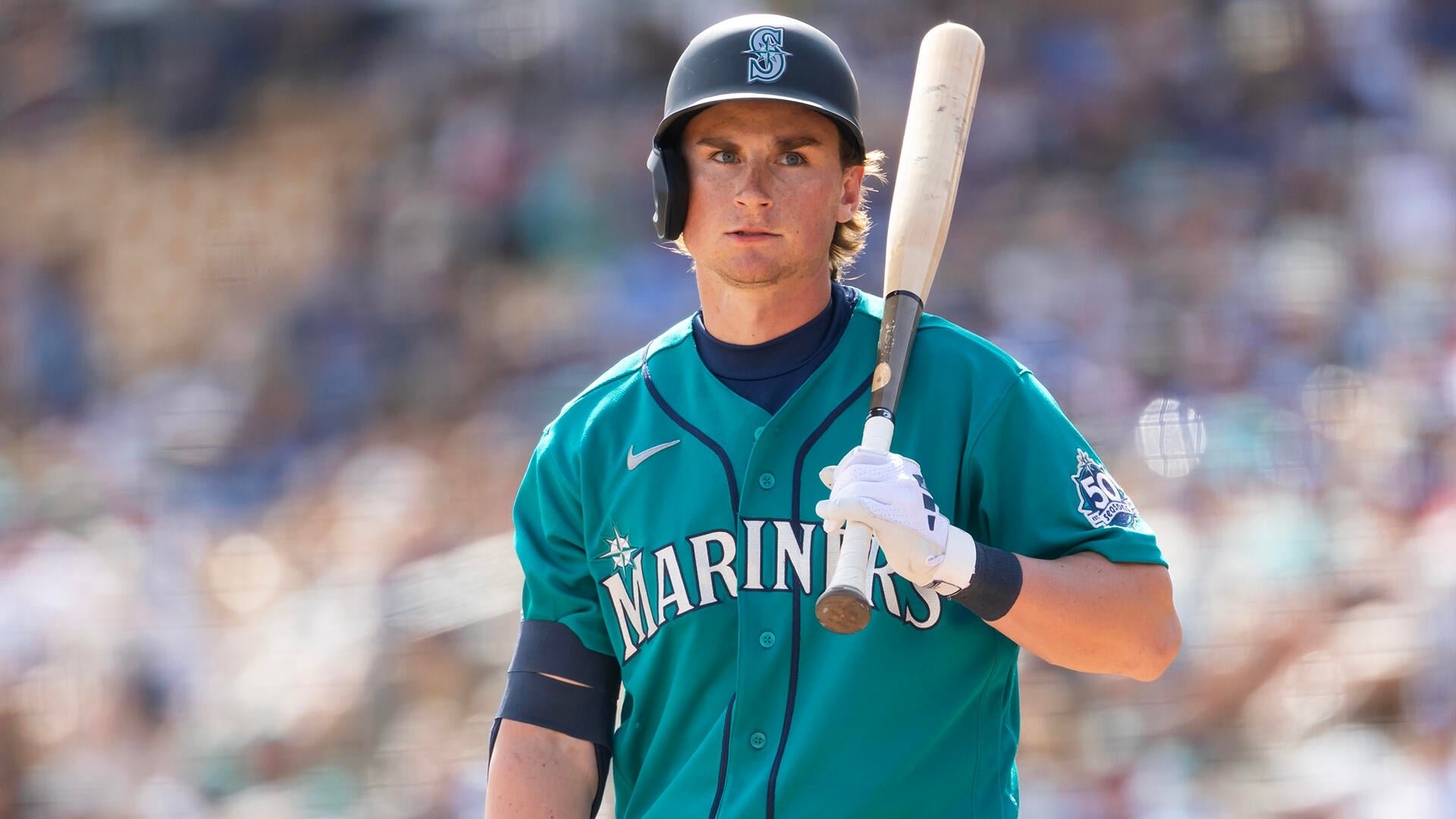
On Sunday, 17 May 2026, two separate sports-betting publications identified the same player as a featured recommendation for home-run proposition wagers. Julio Rodriguez, center fielder for the Seattle Mariners, appeared across American League slugger selections that day — a pattern that reflects something larger than individual matchup analysis.
Prop markets in baseball have grown into one of the sport's most watched betting verticals. Unlike spread betting or moneyline wagers tied to game outcomes, proposition bets on specific player actions — home runs, RBIs, strikeouts — allow bettors to engage with individual matchups regardless of which team wins. For sluggers like Rodriguez, that means every plate appearance carries a second layer of financial interest.
The Algorithm Behind the Odds
Sportsbooks price home-run props using a combination of pitcher handedness data, ballpark factors, recent exit velocity averages, and opposing bullpen splits. The most sophisticated operators layer in Statcast metrics — launch angle, barrel percentage, hard-hit rate — to calibrate lines that attract balanced action on both sides. When a player like Rodriguez enters that calculation repeatedly, it signals that the market considers him a reliable offensive event, regardless of his team's win-loss record.
The practical effect on fan behavior is measurable. Viewers who hold a prop ticket on a single player tend to follow that player's at-bats with a different kind of attention than they would for a general rooting interest. A routine fly ball to center field becomes a calculation: launch angle sufficient, ballpark dimensions favorable, pitcher fatigue a factor. The transaction changes the cognitive experience of watching.
Audience Implications
Baseball has long struggled to hold casual viewers through a 162-game regular season. The sport's pacing — long gaps between action, situational substitutions, deliberate pitching changes — creates a viewing experience that rewards patient engagement but resists the viral immediacy of basketball or soccer highlights. Prop betting has injected a new form of stakes into that equation.
For younger audiences particularly, the proposition bet functions as an entry point. A casual fan who might not follow pitch counts or defensive alignments finds a reason to track a specific at-bat when money — even modest amounts — rides on the outcome. Sportsbooks have responded by increasing prop offerings, expanding markets beyond home runs to include first-pitch strikes, total bases, and increasingly exotic combinations.
The question is whether that engagement translates to broader sport health or merely monetizes attention that would exist anyway. Evidence from other markets suggests both. NFL prop betting has driven record viewership for Thursday Night Football, according to industry reporting, while critics argue that financial stakeholding shifts fan identity from community affiliation toward transactional spectatorship.
Structural Considerations
Baseball sits at an interesting intersection with gambling revenue. The sport's slower pace generates natural in-play betting opportunities — a ball four, a mound visit, a relief pitcher warming — that more fast-paced games cannot offer. That structural advantage has made baseball a priority market for operators expanding their props catalogues.
At the same time, baseball's analytics culture has made player performance more legible to informed bettors. The proliferation of public Statcast data means that sophisticated recreational bettors operate with roughly the same informational toolkit that sportsbooks use to set lines. That parity creates more efficient markets and narrower margins, but it also makes prop betting a more skills-based enterprise than pure chance.
Rodriguez, drafted second overall by Seattle in 2017 and debuting in 2022, represents a player built for this environment. His power profile — quick hands, lift-capable swing — produces home-run events at a rate that sustains prop interest across matchups. Whether he appears in recommended selections on a given day depends on the specific pitcher assignment and the odds offered, but the underlying expectation reflects a player category that markets can price with confidence.
What Remains Unresolved
The sources covering Rodriguez's prop presence on 17 May 2026 do not disclose the specific odds offered that day, the stake recommendations accompanying the selections, or the volume of bets placed on his home-run outcomes. Sportsbook hold figures for MLB player props — the percentage of wagers that resolve in the house's favor — are not publicly disclosed by major operators. That opacity makes it difficult to assess whether prop markets function as a sustainable revenue line for sportsbooks or primarily as a customer acquisition tool with thin margins.
What is clear is that the presence of a player like Rodriguez in recommended prop slots on any given Sunday reflects a market that has matured beyond novelty. The question for baseball's broader strategy is whether that maturation serves the sport's long-term audience development or simply extracts value from an engaged fanbase without returning it in viewership or attendance gains.
This publication's sports desk monitors prop market coverage across major North American leagues. The analysis above reflects publicly available sportsbook reporting as of 17 May 2026.