The Home Run Prop Bet: How Data Rewrote Baseball's Wagering Culture
On 17 May 2026, CBS Sports featured Julio Rodriguez in its daily home run prop picks — a routine handicapping exercise that conceals a structural shift in how American sports fans relate to baseball through legalised wagering markets.
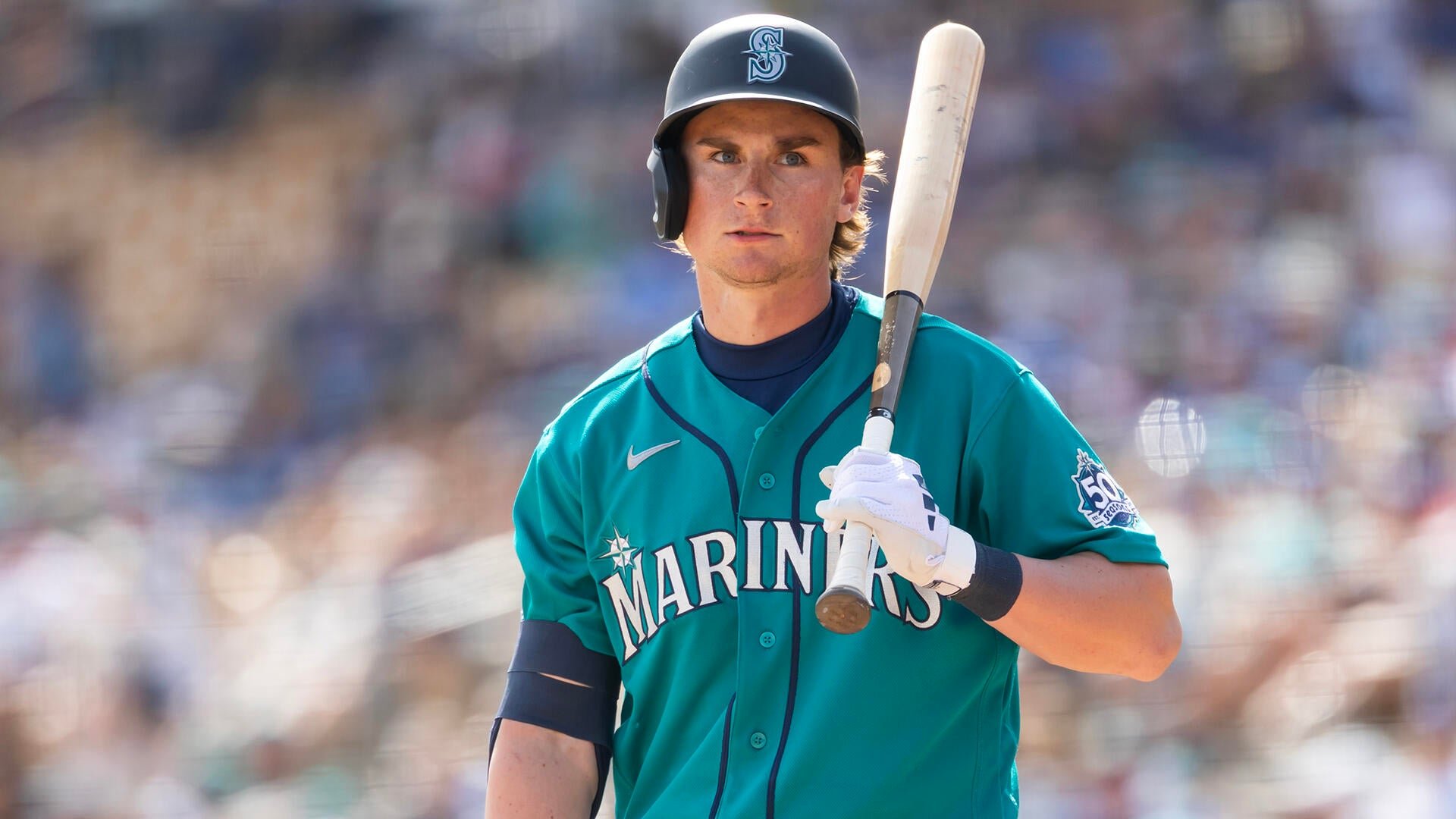
The proliferation of prop-betting markets around Major League Baseball has transformed how American sports fans engage with the game, and no wager captures that shift more precisely than the home run prop bet. On 17 May 2026, CBS Sports published its daily baseball handicapping feature, highlighting two American League sluggers — including Seattle Mariners outfielder Julio Rodriguez — as top home run picks for the day's slate of games. The selection reflected a broader pattern in the sports-betting industry: oddsmakers and bettors alike have moved from gut instinct toward data-driven models that evaluate batter-versus-pitcher matchups, park factors, and recent exit velocities with near-clinical precision. What was once a casual fan's parlance — "he's due for one" — now rests on algorithmic inputs and line movements that shift by the minute.
The structural logic behind MLB home run props differs sharply from equivalent markets in football or basketball. Baseball generates hundreds of individual plate appearances per game, creating a larger statistical sample within a single contest than almost any other major professional sport. That granularity makes the home run — a binary outcome — an attractive market for data analysts who can model individual at-bat probabilities with meaningful precision. Sportsbooks price these props by synthesizing public batting averages, isolated power metrics, and proprietary park-adjustment factors, then layer in sharp money to move lines toward efficient-market equilibrium. The result is a market that feels democratic — anyone with a Statcast subscription can build a reasonable model — but which is structurally tilted toward operators who control information asymmetry about injury statuses, lineup shuffles, and weather-related ball-trajectory data.
The framing of players like Rodriguez as "featured" picks speaks to a broader tension between individual player branding and market efficiency. Rodriguez, 25, has been among the most visibly marketed players in the American League since his 2022 Rookie of the Year campaign, appearing in national advertising campaigns and high-profile broadcast windows. Sportsbooks leverage that visibility. A Julio Rodriguez home run prop carries greater retail betting interest — and greater liability exposure — than an equivalent prop on a lesser-known power hitter, even if the statistical probability of a home run is identical. That visibility premium means the sharpest bettors often find better value on players whose public profiles undershoot their underlying statistical profile. The market's tendency to overprice marquee names and underprice reliable but less-hyped contributors reflects the gap between what sportsbooks believe bettors will back and what the raw numbers suggest.
The stakes of this dynamic extend beyond individual bettors into the broader economics of legal sports betting in the United States. Since the 2018 Murphy v. National Collegiate Athletic Association decision opened the door to state-level sports wagering, the MLB has positioned itself as the sport most compatible with data-driven betting markets. The league negotiated revenue-sharing arrangements with major sportsbooks and embedded licensed data partnerships into its media rights deals. Home run props sit at the intersection of that strategy: they generate handle volume, attract casual bettors unfamiliar with moneyline or run-line markets, and provide the kind of narrative drama — "will he or won't he?" — that sustains betting engagement between pitches. For the MLB, the continued growth of prop-betting markets represents a hedge against declining in-person attendance and aging television demographics.
The nuance that sources do not fully address is the extent to which sportsbook models have converged on similar inputs, raising questions about whether the prop market has become genuinely efficient or merely appears so. Public Statcast data is widely available; proprietary injury information and real-time weather data remain unevenly distributed. A bettor operating on publicly accessible inputs is betting against opponents who may have informational advantages the market has not yet priced in. The distinction between a market that is truly efficient and one that merely looks that way to an observer with the same data as the majority of bettors is, ultimately, unresolvable from outside the sportsbook's risk-management systems.
This article was written from wire handicapping reports rather than on-the-ground baseball reporting.