Hamilton Leads Sprint Grid as Compressed Weekend Format Tests Every Driver on the Gillies Villeneuve Circuit
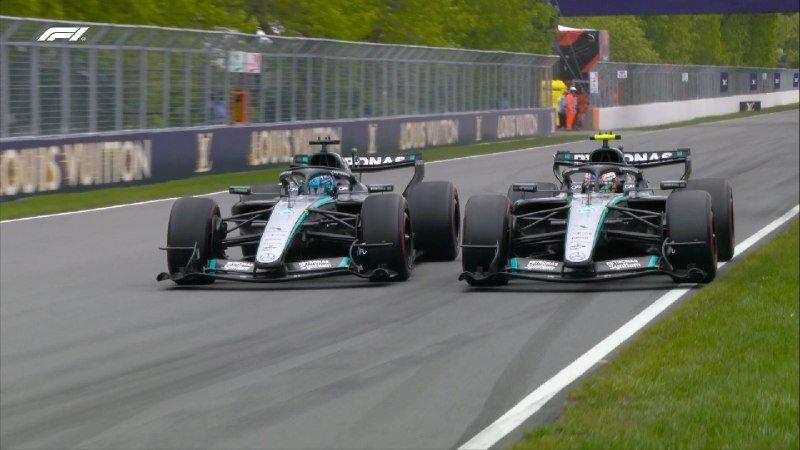
The sprint format has become F1's most consequential structural experiment. By compressing the traditional three-day schedule into a two-day sprint layout, it forces every team to extract maximum performance from a single one-hour FP1 session before Sprint Qualifying begins. The pressure this creates is structural, not optional. A driver who misreads conditions in that single practice session carries the error through to the sprint grid, which in turn reshapes Sunday’s race strategy and tyre allocation. The Circuit Gilles Villeneuve’s reputation as a high-risk venue amplifies this dynamic considerably. The chicanes demand precise braking, the final hairpin rewards committed corner entry, and the wall section punishes the slightest loss of concentration. In a sprint weekend, those demands arrive faster and with fewer recovery options.
Hamilton’s position leading the field out for SQ1 carries particular weight given his current circumstances. A seven-time world champion with a contract expiring at season’s end, Hamilton is fighting for wins on merit but also navigating a market that has shifted since his Mercedes departure. Ferrari’s form this season has been inconsistent, and in sprint formats the team with the marginally stronger single-lap package tends to control the narrative through the entire weekend. Leading SQ1 is not merely a starting position — it is a statement of intent that shapes how the grid interprets the competitive order before the sprint itself begins.
The sprint format’s defining tension is the relationship between risk and reward in FP1. Teams know that any incident in the single practice hour carries compounding consequences: a damaged car means a compromised sprint grid, which means a compromised Sunday starting position, which means altered strategy across two race events. That logic makes FP1 a session where experienced drivers can actually outperform their less-seasoned counterparts. They know precisely how much track time they require to extract what they need from the car. Hamilton’s comfort navigating that calculation in a sprint context is not incidental — it is part of why he remains relevant at 41 years old in a grid that has grown considerably younger.
Montreal itself demands a specific psychological profile. The circuit rewards drivers who trust their car through the chicanes and commit to the final hairpin without hesitation. The wall section that lines the back straight tolerates nothing — a moment of indecision at 300 kilometres per hour ends the race immediately. In a sprint format, that psychological pressure arrives earlier and leaves less time for recovery. Hamilton’s experience at this venue, including his victory at the 2024 edition, gives him a baseline that younger drivers simply do not have. Whether that advantage translates to a strong sprint result depends on factors that are genuinely difficult to model in advance: tyre warm-up, traffic in the qualifying window, and the subtle performance differences between Ferrari and its rivals in single-lap trim.
The broader question sprint weekends raise is one of competitive philosophy. F1 introduced the format to create more on-track racing action across the calendar, and by that narrow metric it has delivered. Each sprint event generates additional racing laps and overtaking opportunities that the traditional format would defer to Sunday. But the format also strips away the strategic depth that makes grand prix racing intellectually interesting. FP1 becomes a data-gathering exercise, not a genuine practice session. The compressed timeline rewards teams that can execute cleanly and punishes those that make errors. Whether that trade-off serves the sport’s long-term interests is a question the series has not fully answered.
What matters most this weekend is straightforward: how the sprint plays out on Saturday morning determines the starting order for Sunday’s grand prix, and that order shapes strategy for every team in the grid. Hamilton leading SQ1 is the opening move in a compressed game where the margin for error is minimal and the stakes arrive earlier than usual.
Wire provenance
This editorial synthesis draws on the following public wire/social posts:
- https://t.me/formula1/11738
- https://t.me/formula1/11735