Canadian Grand Prix Qualifying Round-Up: Green Flags, Alpine Hope, and Sprint Grid Tension
As the Circuit Gilles Villeneuve gets into full swing, qualifying sessions delivered mixed fortunes for the grid's mid-field and front-runners, with Russell and the Alpines of Colapinto and Gasly shaping the early narrative of the weekend.
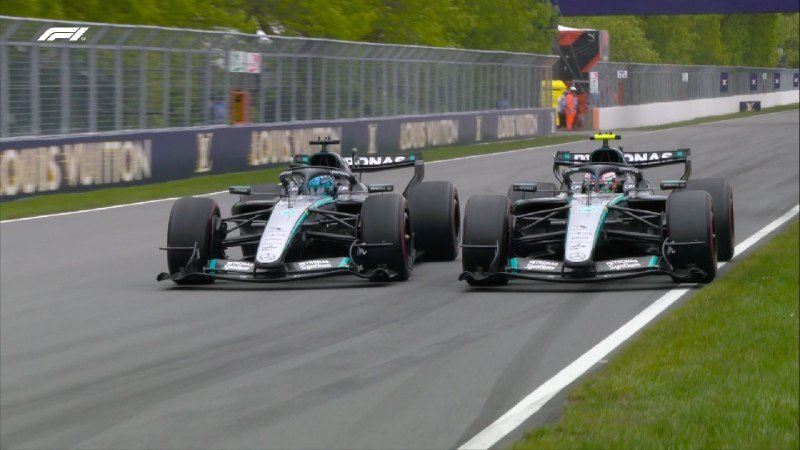
The green flag dropped over Circuit Gilles Villeneuve on Saturday, and with it came the familiar rush of 320 kilometres per hour through the Montreal street circuit's hairpin-laden layout. Qualifying for the Canadian Grand Prix is always a study in precision versus aggression—the wall-hugging nature of the track punishes the slightest miscalculation—but this weekend's sessions carried added weight for teams fighting to establish momentum in a season that has so far resisted any clear hierarchy.
George Russell's early emergence in the sprint qualifying format placed Mercedes at the front of the narrative, his car emerging first onto the track as SQ2 commenced on the evening of May 22, 2026. The timing of his run, and the manner in which he navigated the opening phase of the session, reflected the calculated aggression that the Mercedes garage has been deploying in recent rounds—a departure from the conservative approaches that plagued the team earlier in the campaign.
For Alpine, the picture was more complex but not without optimism. Franco Colapinto and Pierre Gasly—both running in the green-flag Q2 phase—represented the French constructor's effort to translate practice pace into competitive grid positions. The Montreal circuit, with its long straights and heavy braking zones, has historically suited the aerodynamic profile of the Alpine A526, but the gap between theoretical pace and race-day performance has been a recurring source of frustration for the Enstone-based team.
The sprint qualifying format, now embedded into the Canadian Grand Prix weekend structure, adds a layer of strategic complexity that separates the circuit from its traditional European counterparts. With grid positions partially determined by Saturday's result, the pressure on drivers to deliver clean single-lap performances is amplified—every mistake carries a double consequence, affecting both the sprint race and the Sunday grand prix starting order.
For Russell and Mercedes, the stakes extend beyond a single weekend. The team has publicly committed to closing the gap to McLaren and Ferrari in the constructors' championship, and a strong showing in Montreal would reinforce the narrative of a resurgent Silver Arrow programme. The Russell-led initiative in SQ2, with the car forging ahead of the pack, signals an intent that the team has been eager to demonstrate since the season's midpoint.
Alpine's situation carries different pressures. With Gasly's contract situation generating periodic speculation and Colapinto still establishing himself as a consistent top-ten threat, the Canadian round represents an opportunity to demonstrate that the team's upward trajectory—evident in selected rounds throughout 2025—has not been a statistical aberration. The green flag for Q2, with both Alpines trackside, suggested a team prepared to take risks when the opportunity arose.
The Montreal circuit itself adds its own character to the proceedings. Known for its high-friction asphalt and aggressive kerb usage, the track rewards drivers who can attack without overstepping. The walls at the chicane and the final corner have ended many qualifying ambitions over the years, and the combination of concrete barriers and minimal run-off creates an environment where confidence is as important as mechanical grip.
What remains to be seen is how the sprint race itself will reshape the Sunday grid. With tire strategies compressed by the sprint format and fewer opportunities for overtaking, the qualifying result carries disproportionate influence. Russell's early pace, if converted into a front-row start, could give Mercedes a strategic advantage that extends beyond mere position—the ability to control race rhythm from the front is a weapon that the Brackley team has not possessed in sufficient measure this season.
For Alpine, the objective is more straightforward: collect points, demonstrate progress, and avoid the kind of contact that has periodically derailed promising weekends. Colapinto's emergence as a regular Q2 participant has been one of the season's quieter subplots, and a strong result in Montreal would further solidify his standing within the team structure.
The weekend is still unfolding, and the session times—compressed as they are by the sprint format—leave little room for recalibration. What the green flags of Saturday evening confirmed is that the grid remains genuinely competitive, with no single team able to claim dominance. Russell leads the sprint grid. Both Alpines survived Q2. The race, when it comes, will tell the rest.
This publication's live race coverage prioritised the strategic implications of sprint qualifying for front-running teams over lap-time analysis. The Telegram wire provided real-time session updates that shaped the narrative focus.
Wire provenance
This editorial synthesis draws on the following public wire/social posts:
- https://t.me/formula1/
- https://t.me/formula1/